The ladder
Go deeper and the door at the bottom changes. The gatekeeper you meet is decided by the Descent you dared: the Threshold has one, every rung below has its own, and the last stone is the ladder's namesake. Each is shown here in its own ring, in its own room — the way you actually meet it. Eight are here. The deepest three you will have to find yourself.
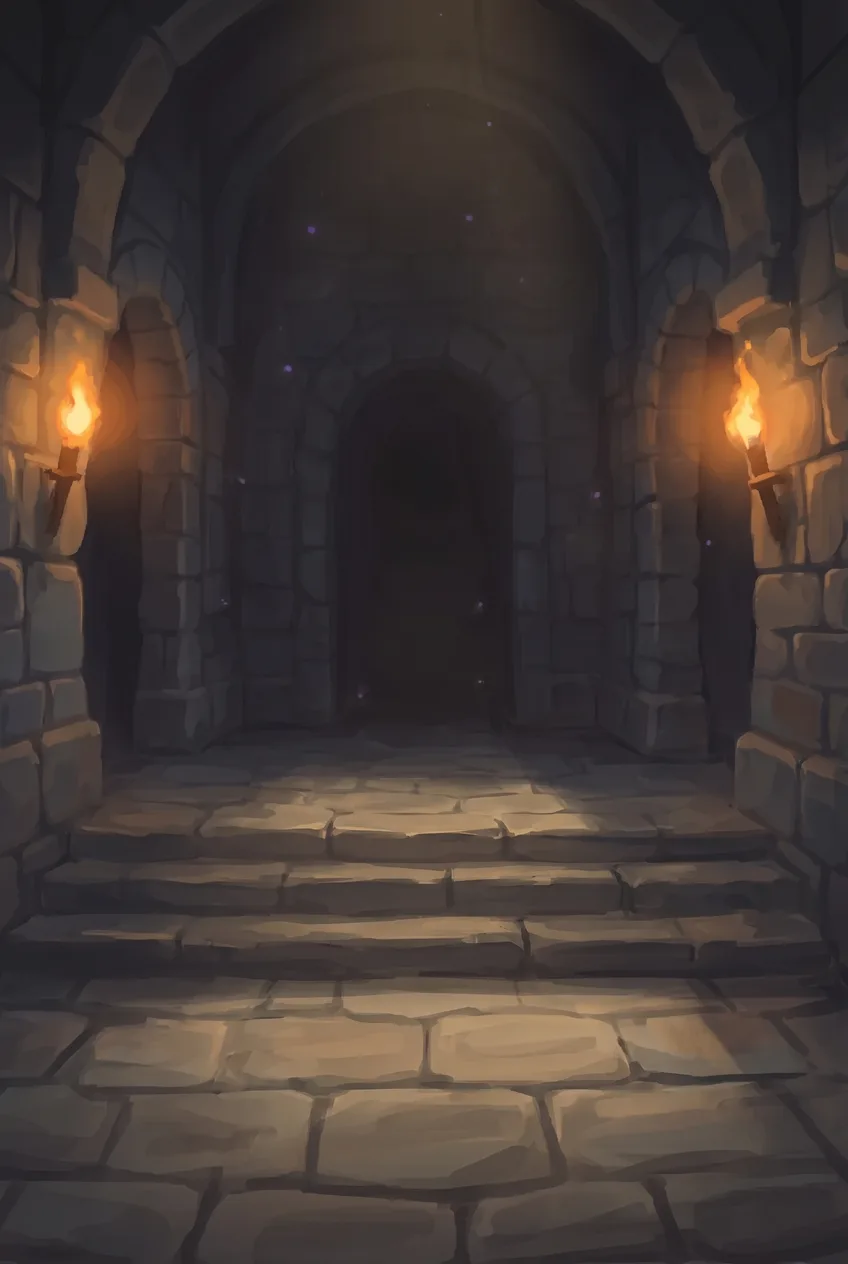


The First Door
The knocking is coming from the door. Not from behind it.
The gate itself, and the first thing that ever hits you back. It knocks, it draws its bolt, then it throws itself wide open through you. The turn it does not strike is the turn that decides the fight.
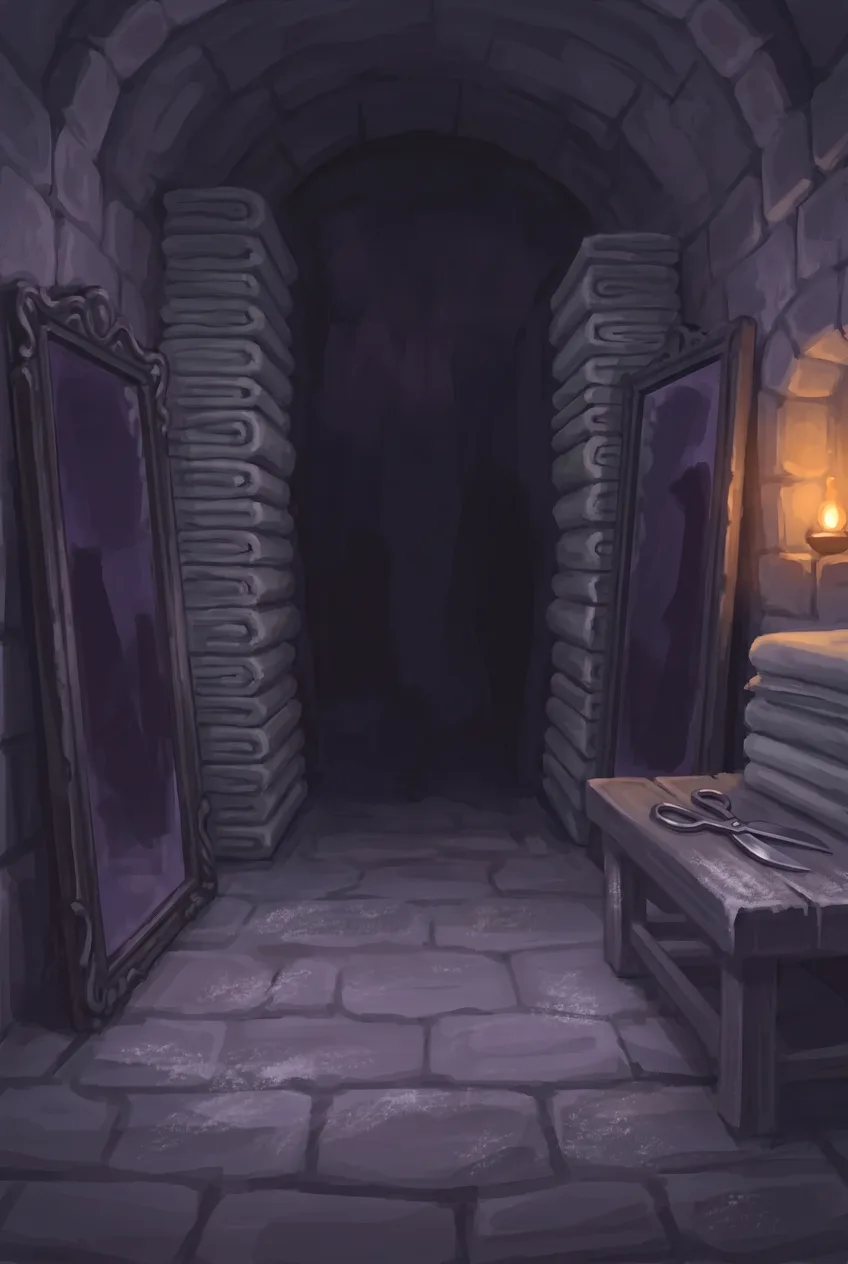
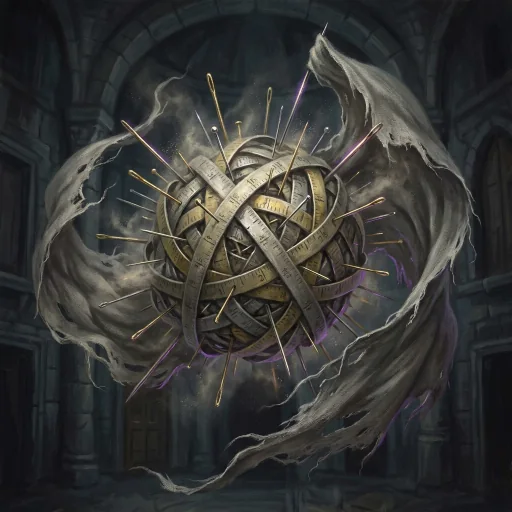
Shroudwright
It looks at you the way a tailor looks at cloth. It already knows your size.
It never opens with a blow — it opens with a measurement, and everything it does afterwards lands in the mark. The Shatter it pins on you names, in advance, exactly which hits you cannot afford to take bare.
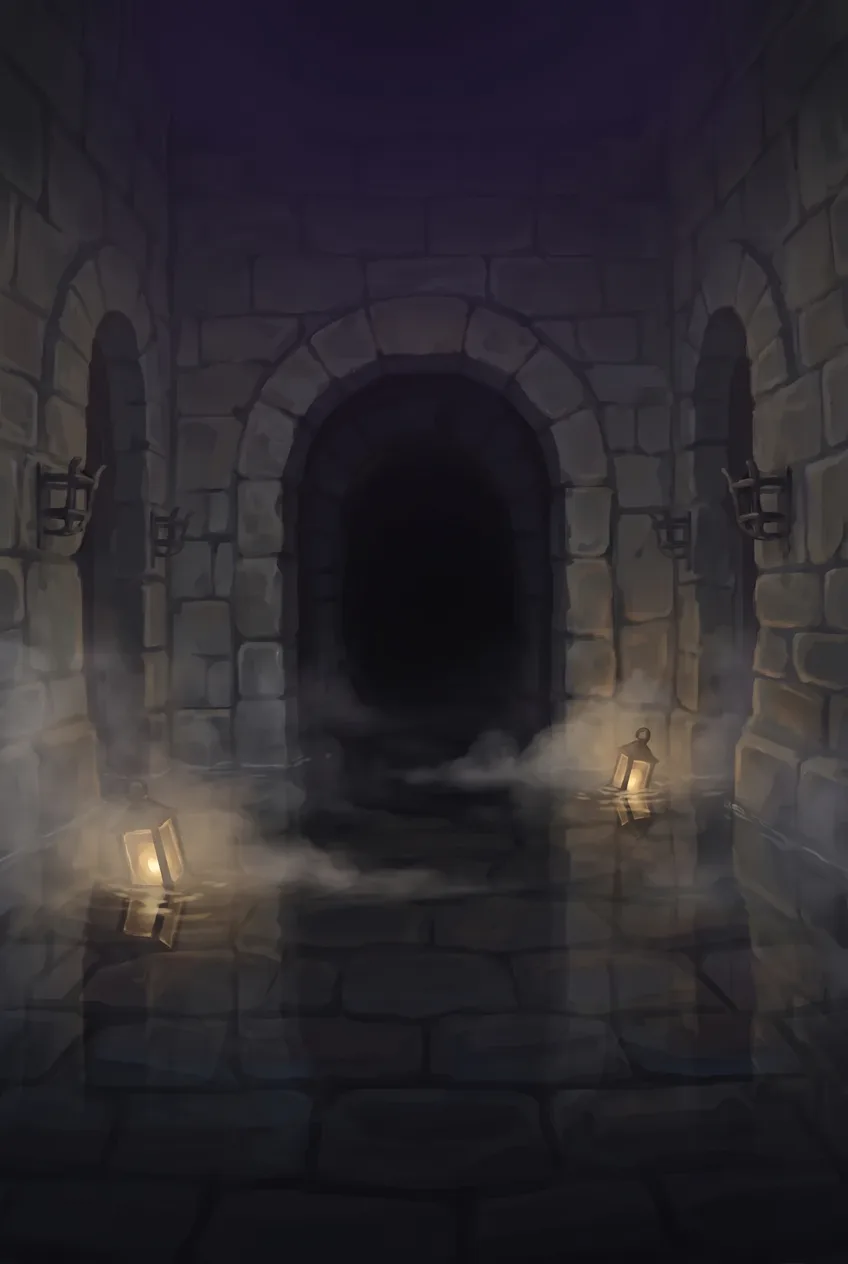
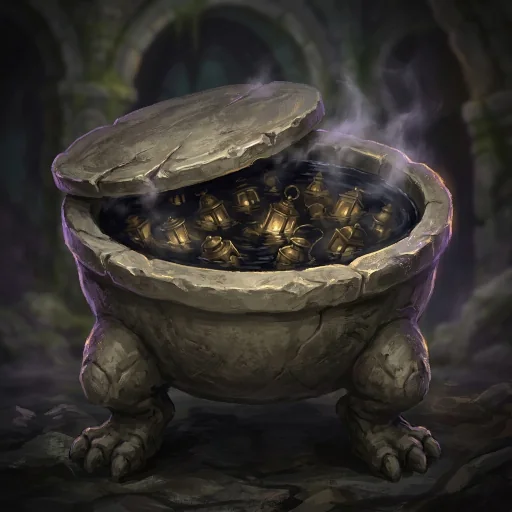
The Quench
Something down here is very full, and very cold, and it has been putting lamps out for a long time.
The drowned cistern that swallowed every fire ever carried down here. It shuts its lid on your small hits and drinks its own wounds closed — damage delivered a trickle at a time never actually arrives. Break it under 40% and the lid comes off: it stops mending and simply pours.
 Mana Sting
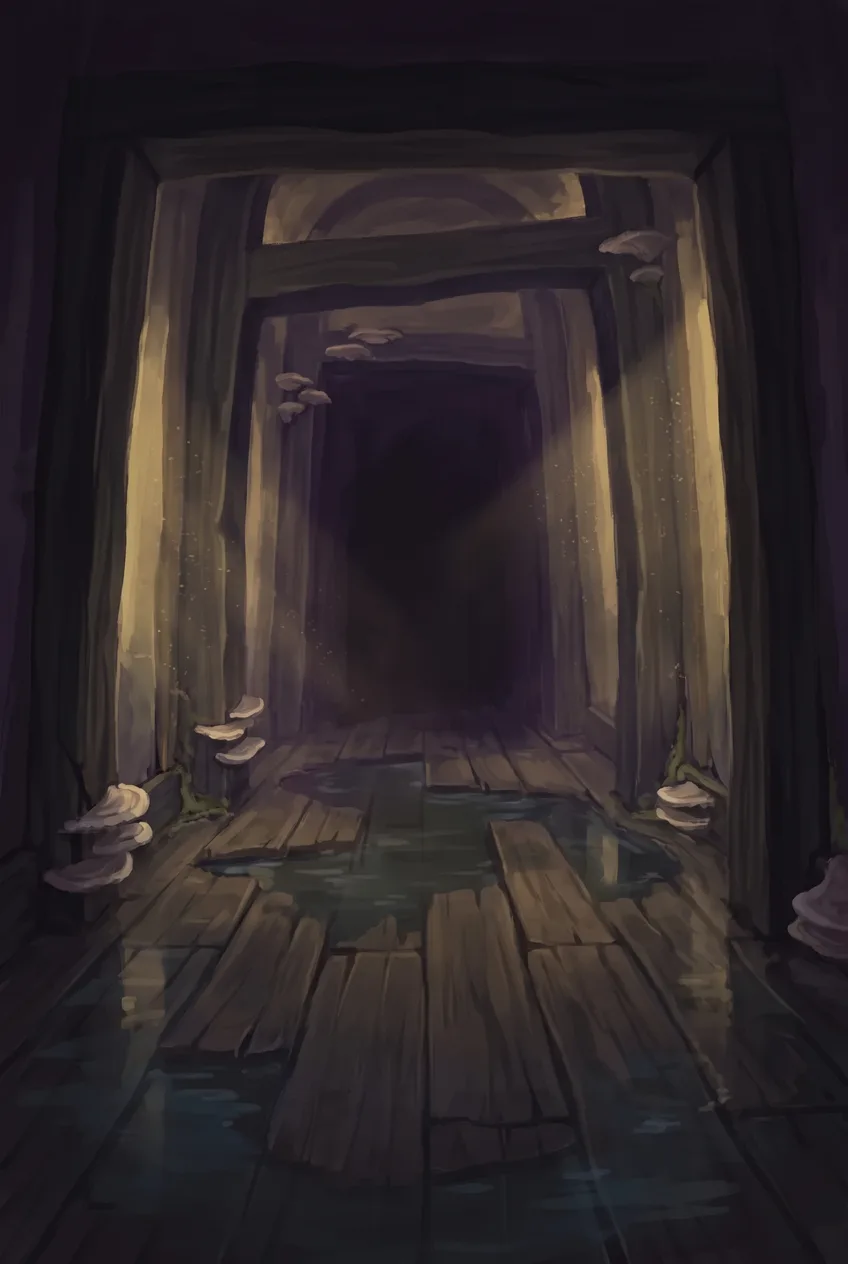
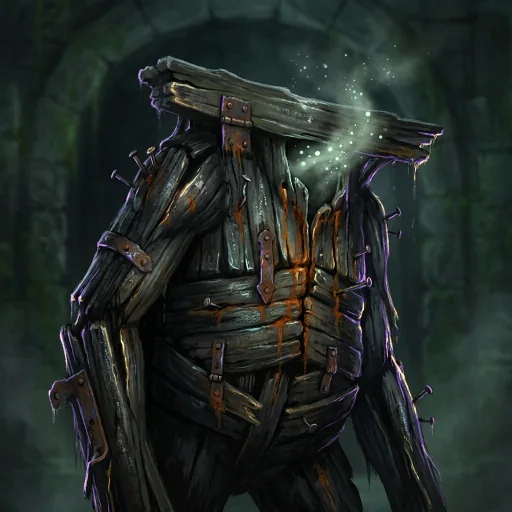
Sillrot
The frame gives under your hand. Something inside it has been damp for a hundred years.
The rot in the frame. It barely swings at you: it breathes spores that ignore Guard entirely and never wash out, and it leans a little harder every cycle — the patient wall-and-wait plan pays the clock twice over.
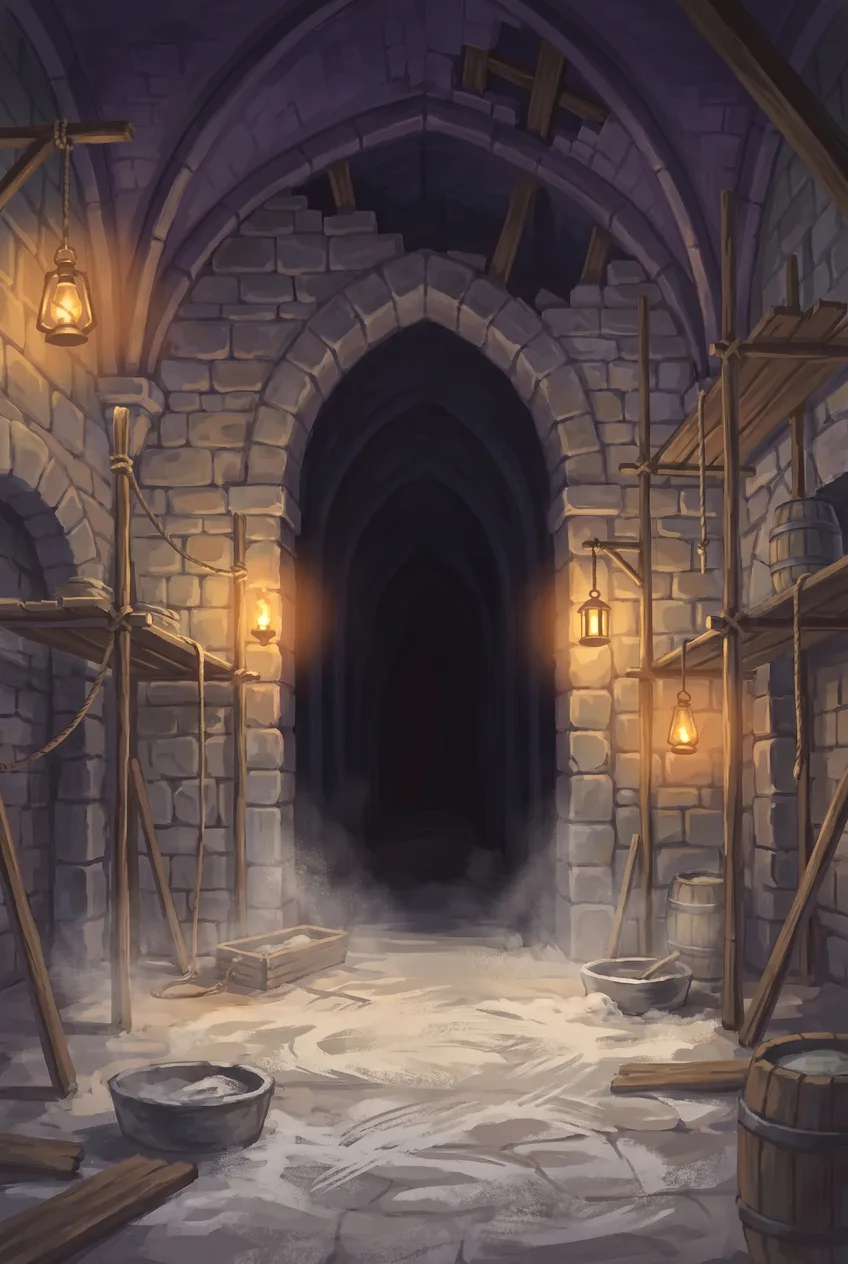
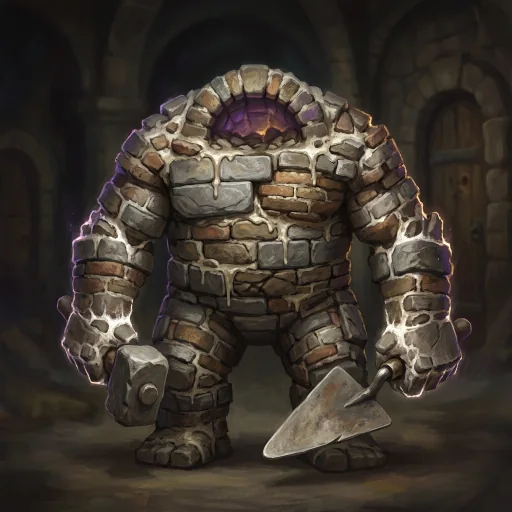
Quicklime
Fresh mortar, still wet. Whatever it was patching, it patched it a moment before you arrived.
The mason of the closing wound. It repoints every crack you open and grinds your edge blunt on its own face, so the one enormous banked swing arrives at half price against a bar that already crawled back up. Then the mortar sets, it stops mending, and it starts dropping stone.
 Chill Resist
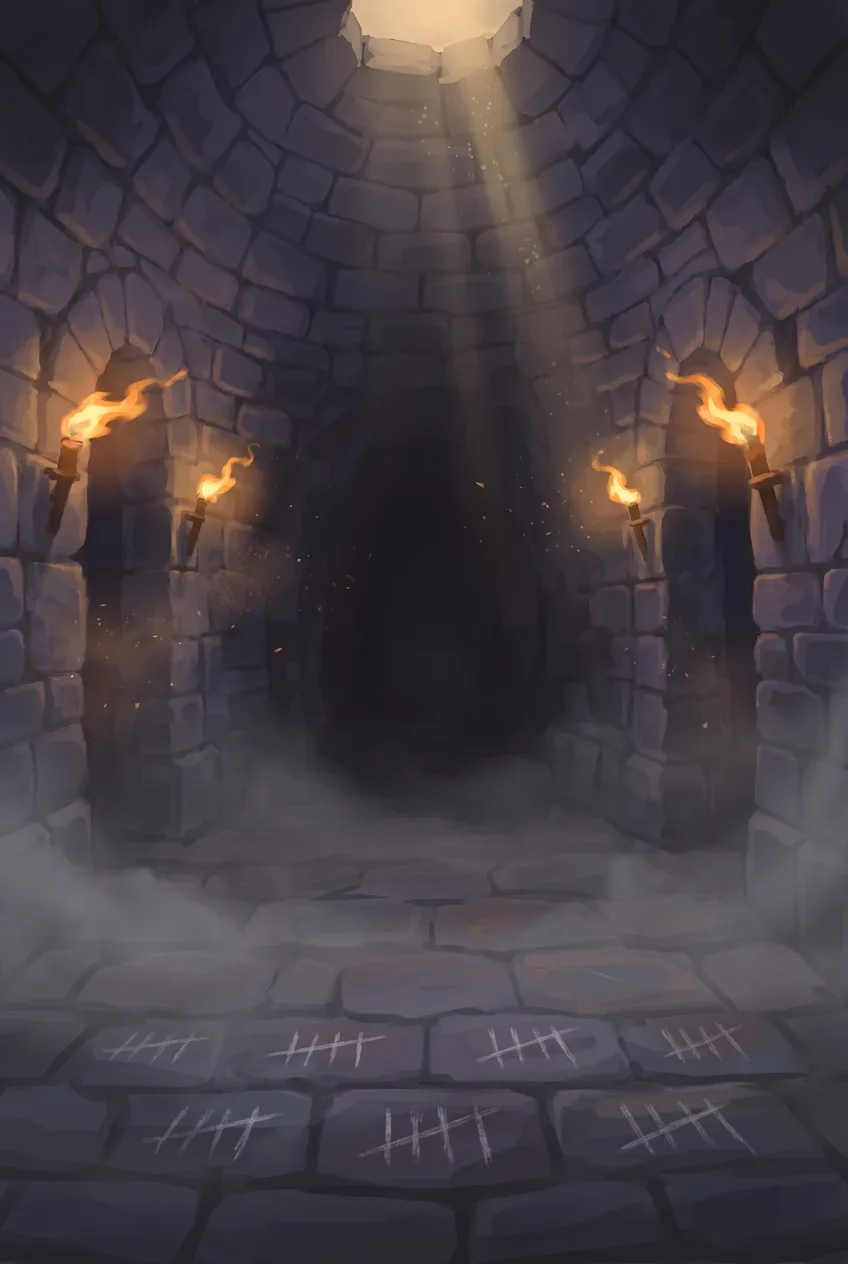

Hushbarrow
The air here is already spent. Your breath comes back thin, and something in the fog is counting your ribs.
The airless one. It takes the breath you cast with in one long draught, counts your ribs while your hand sits full and unpayable, then puts its whole weight through the mark.
Mana Sting
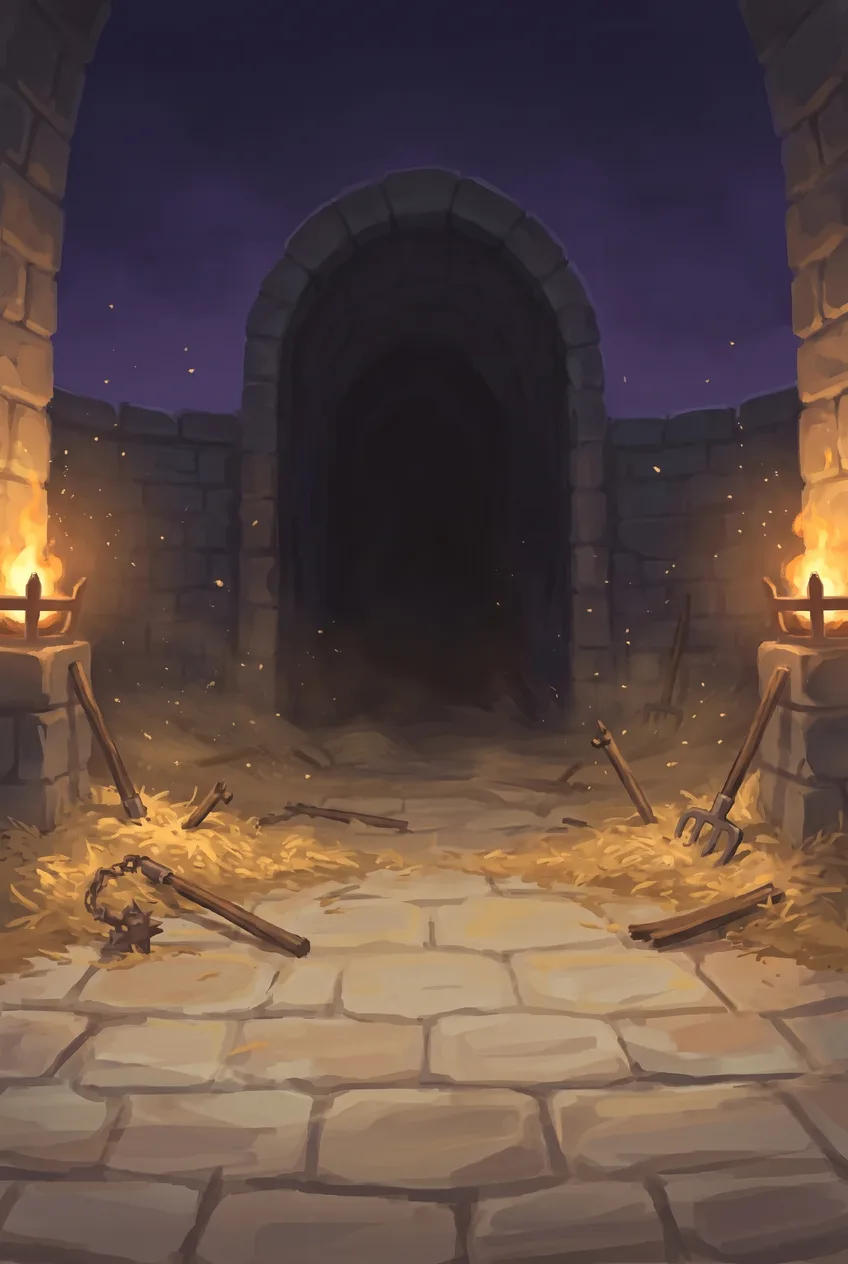
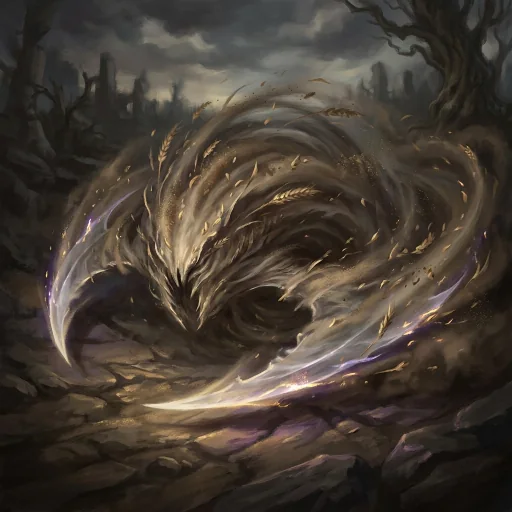
The Winnowing
The door opens onto moving air. Something in it is already swinging.
The threshing wind. You cannot cut it: your blade finds mostly moving air, and the crosswind beats your strokes aside. It mends no wound and it cannot be slowed — the rime shakes off it between passes, and the air quickens and keeps quickening, until the pass that grazed you first is the one that finishes you.
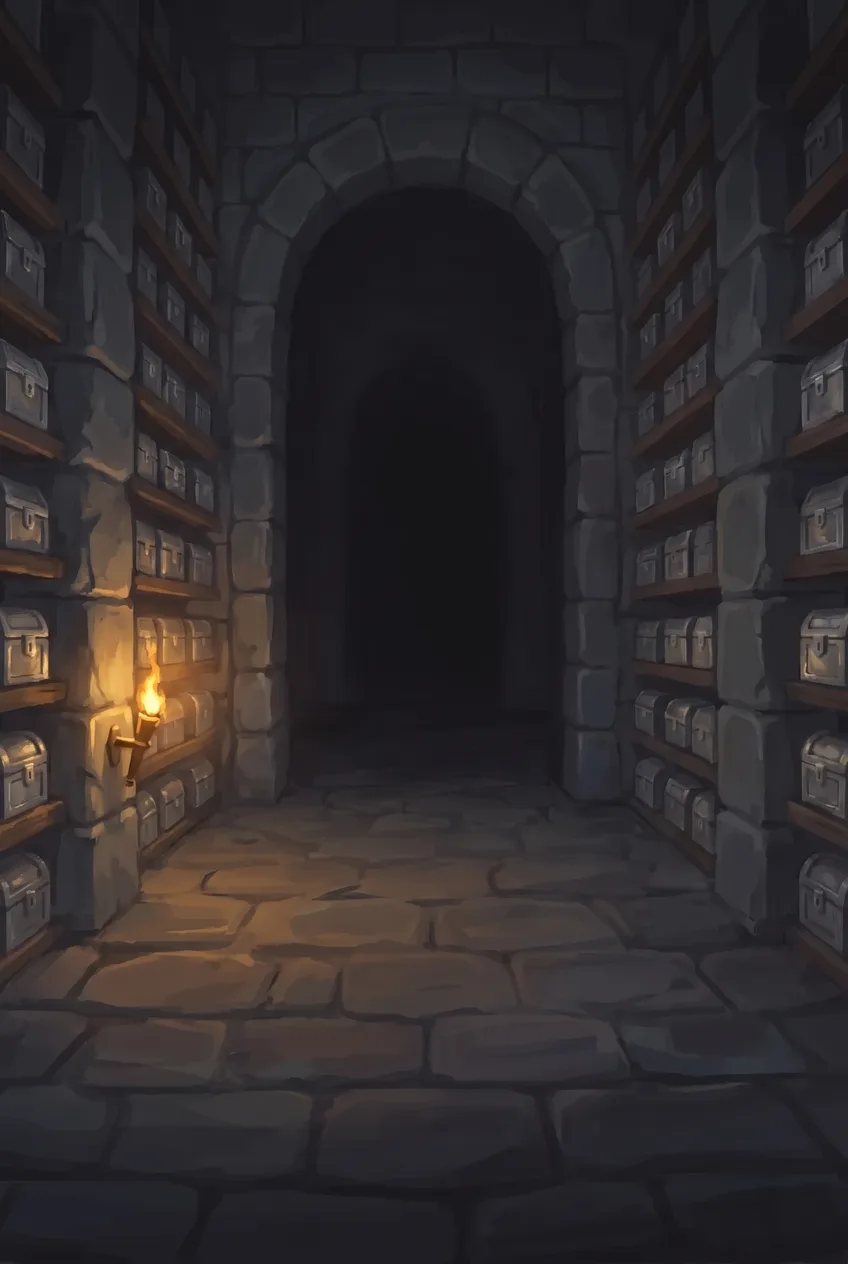

Silverquiet
The case is still sealed. You can hear something inside it counting your footsteps.
The sealed case. While the silver holds, almost nothing you do reaches it, and the cold silver drinks the force out of the one big swing you were saving. When it finally splits, the thing that was waiting in there is very hungry, no longer armoured, and does all its killing in the open.
Three doors deeper, the ladder stops answering
Descent VIII, Descent IX, and the last stone each have a keeper of their own. Nothing about them is written here — not their names, not their rooms, not what they take from you. Go and find out.
What the ladder is tuned for
These eleven were not hand-rolled and shipped. The ladder came out of a design loop: propose a keeper, build it for real, then make it fight thousands of simulated runs — every build, every rung — and score the whole ladder against six goals. An iteration that scores worse than the last is thrown away. This is the actual scoring function, weights and all.
Eleven bosses, not eleven stat blocks. Every pair of kits is measured against each other, and two keepers that fight too much alike are rejected — each one has to pose a problem no other rung poses.
From Descent II down, each keeper is built to be hardest on a different build — fire, frost, blood and storm each get their turn being the wrong answer. No single deck cruises the whole ladder, and the spread it must enforce widens the deeper you go. The first two rungs counter nothing: they are welcome doors.
The ladder is forbidden to change how hard the game is. Your Descent tier owns difficulty; the keeper only owns what kind of problem it is. Every rung's win rates are held to the measured envelope of the boss pool it replaced, path by path.
Mechanical depth climbs rung by rung — the Threshold keeper runs on one idea, the last stone on five — while lethality stays flat. Deeper should read as more to think about, not just bigger numbers.
Every move is telegraphed a turn ahead, every keeper has a real mechanic rather than a damage schedule, and every rung stays beatable — if the best plan against a keeper falls below a hard floor, it fails the score.
Each keeper is fully written before it ships — a name, a title, a room, and a reason it stands where it stands. If the text cannot say what the thing is, the thing is not done.
Two traits worth reading the door for
Season III gave the dungeon two statuses of its own. Season IV gives its gatekeepers permanent traits — printed on the ring from turn one, true for the whole fight, never gained and never shed. Tap the badge beside the ring and it tells you exactly what it does.
Chill Resist
This gatekeeper resists the cold. Only part of Chill's usual halving applies to its attacks — your Frost plan is not wrong, it is taxed.
Quicklime wears it. The mortar does not freeze.
Mana Sting
Every point of mana you gain in this fight costs you that much health. The engine that fuels your biggest turns is, here, the wound.
The Quench stings for 1. Hushbarrow takes 5. Something deeper takes its share too.The door and everything behind it
- Eleven gatekeepers, one per Descent — each with a hand-painted portrait, a Codex entry, and a kit built to test a different plan. Ten are new; the First Door has been re-armed to hold the Threshold.
- Eleven arenas. Every gatekeeper is fought in its own room. The regions still stage every other fight; the final door now opens somewhere that belongs to its keeper alone.
- Traits on the ring. A gatekeeper's permanent trait sits beside its ring as a badge — visible from turn one, tappable for the full rule. No surprise taxes.
- Faster reads. An enemy's turn now announces itself in a short, glanceable stamp — the full description of every move stays one tap away on the creature itself.
- Icons for everything new. Chill Resist and Mana Sting are drawn in the same family as the nine marks you already know.
- Sound for everything new. The sting has its own bite, and a boss shrugging off your Chill has its own voice. Nothing lands silently.
Season IV is here. Eleven gatekeepers, eleven arenas, and a ladder that knows your name.
Play Atlas of Doors
Join the conversation
Tell us which door stopped you. Sign in once and you can comment here and anywhere on the forum.
← Back to the forum