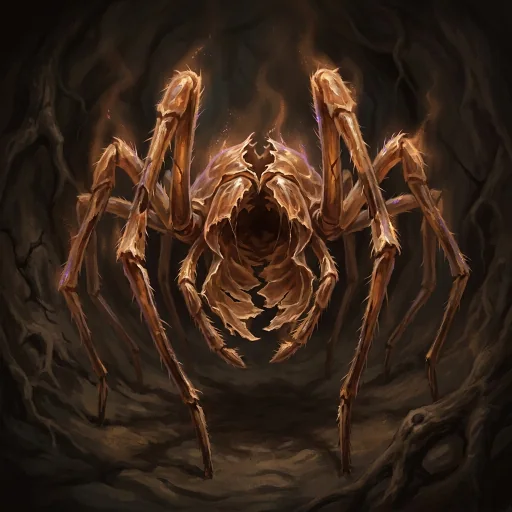
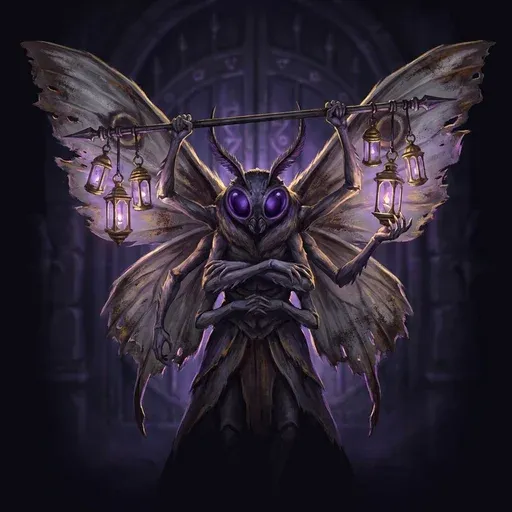
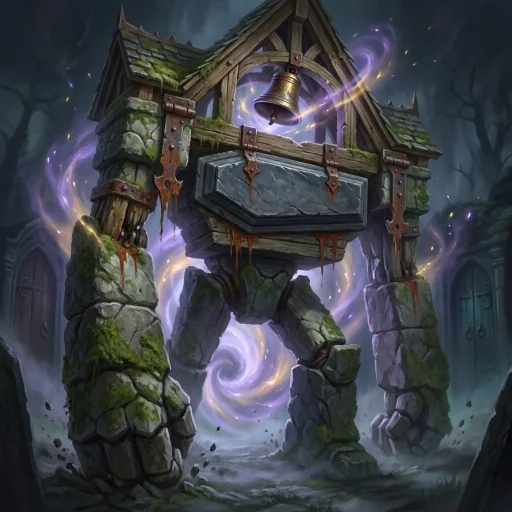
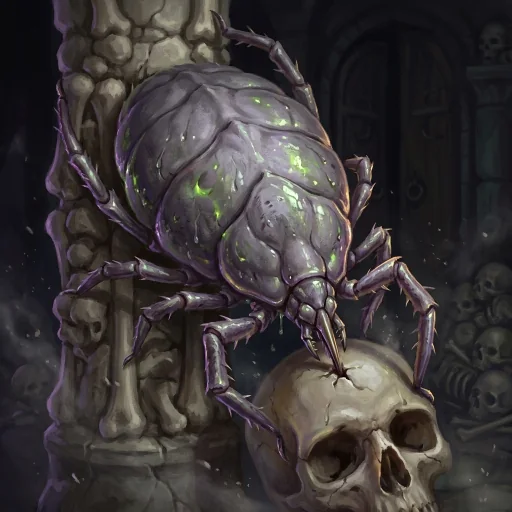
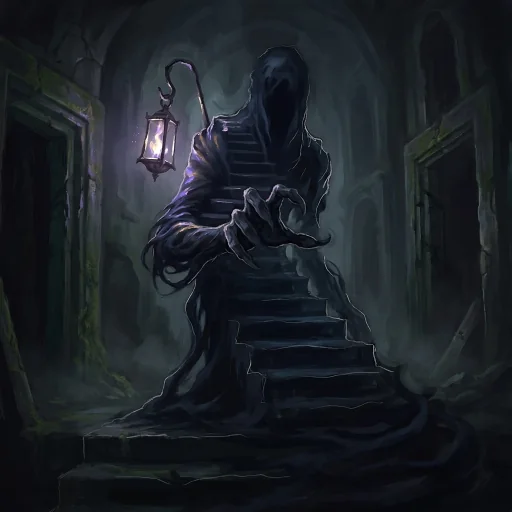
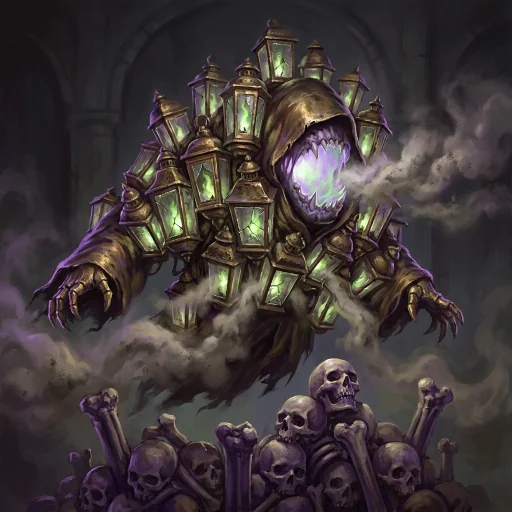
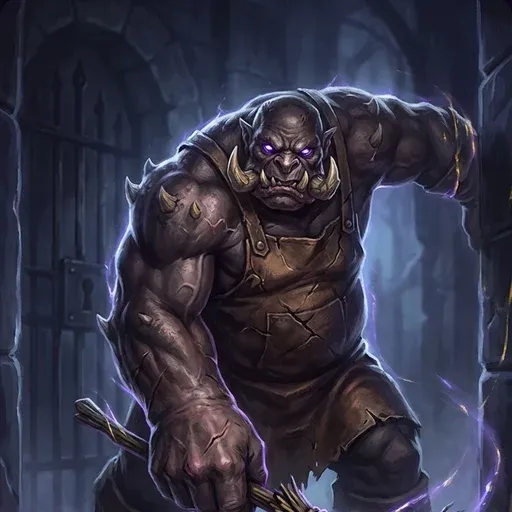
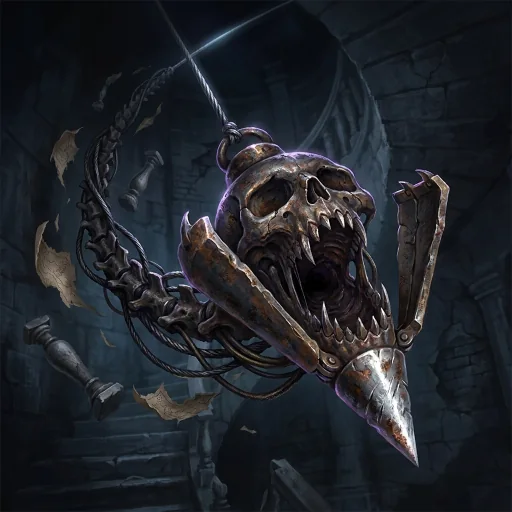
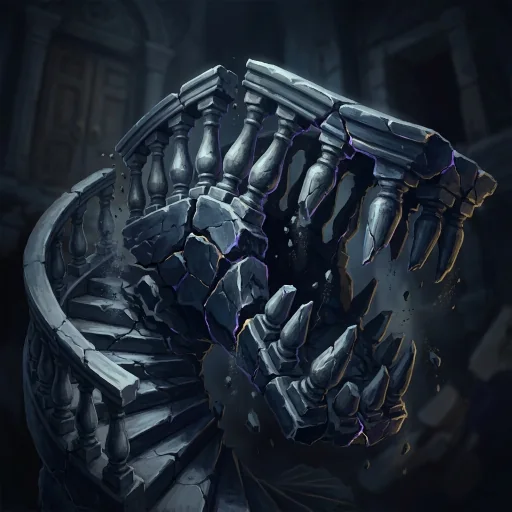
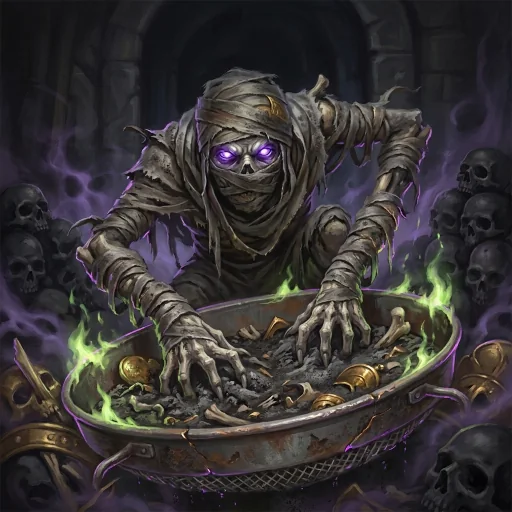
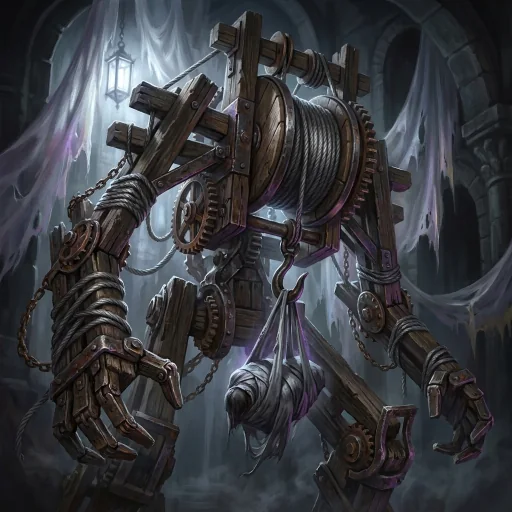
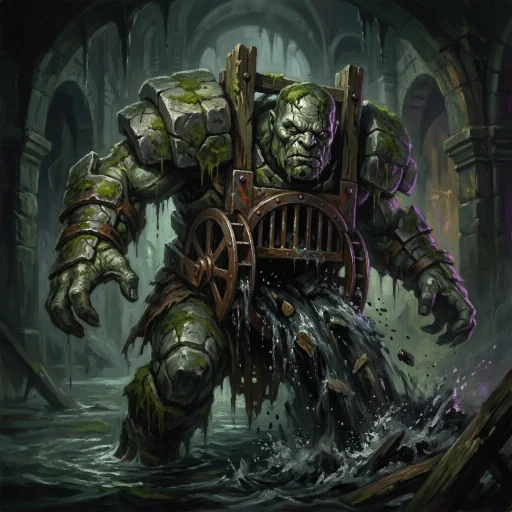
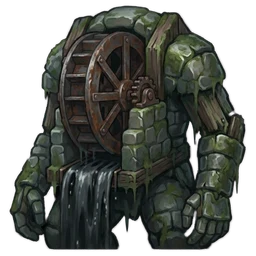
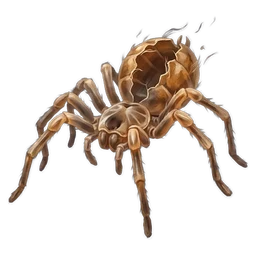
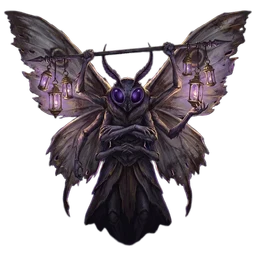
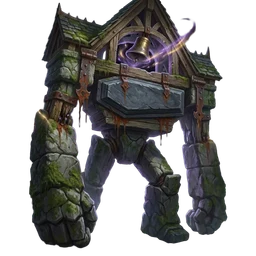
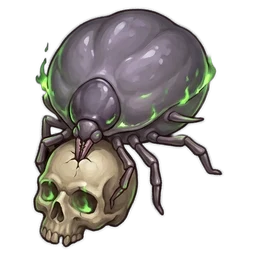
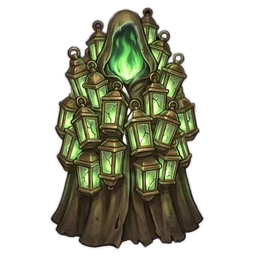
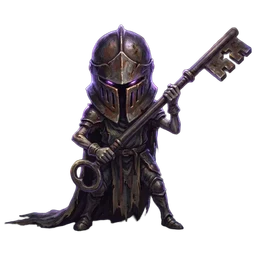
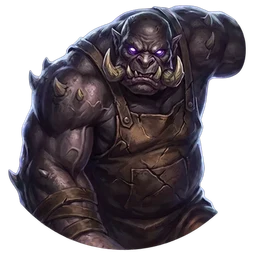
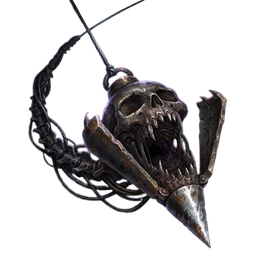
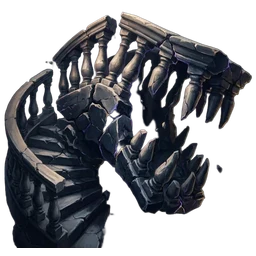
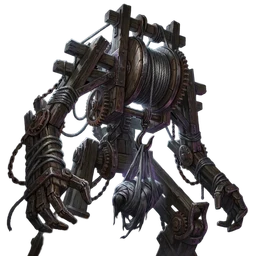
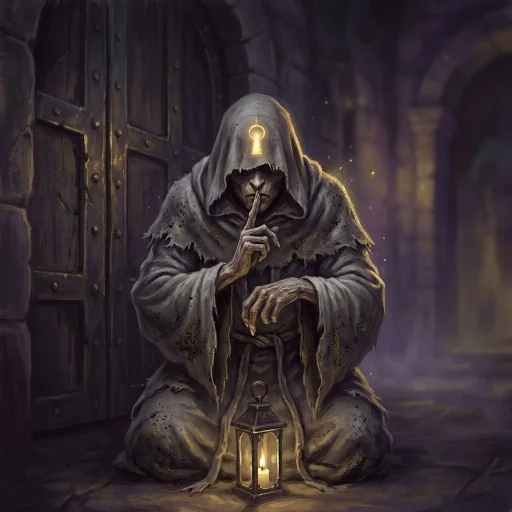
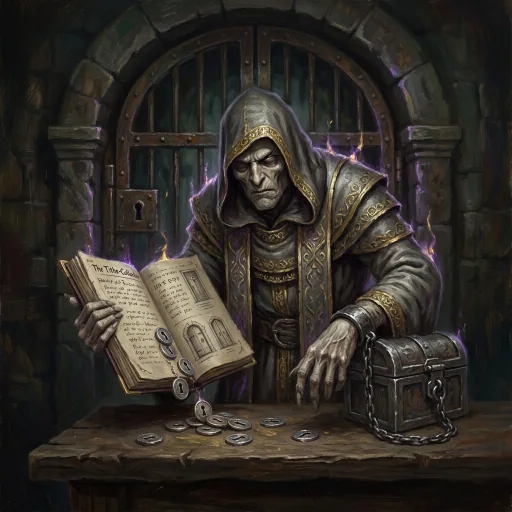
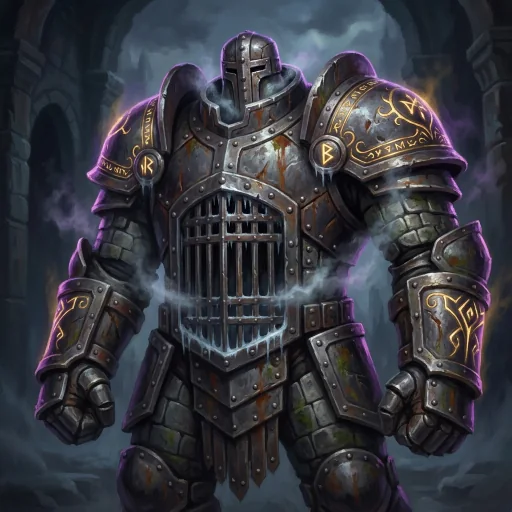
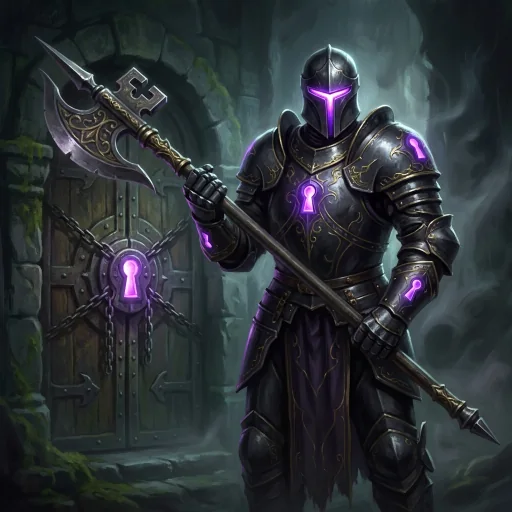
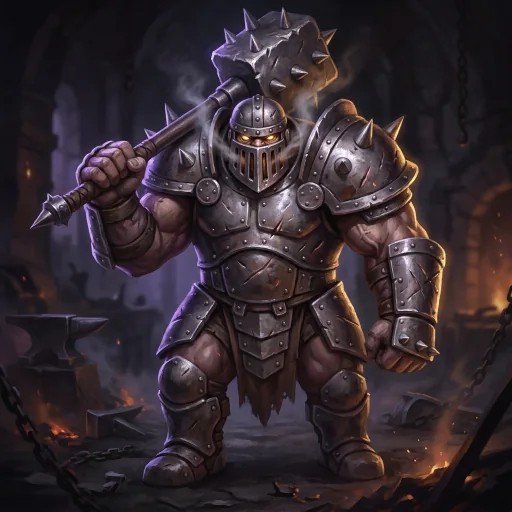
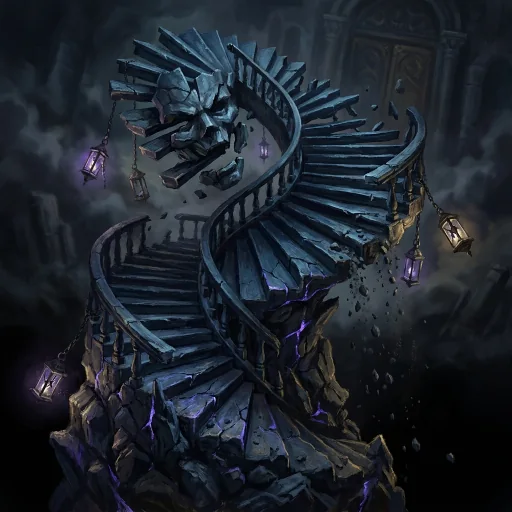
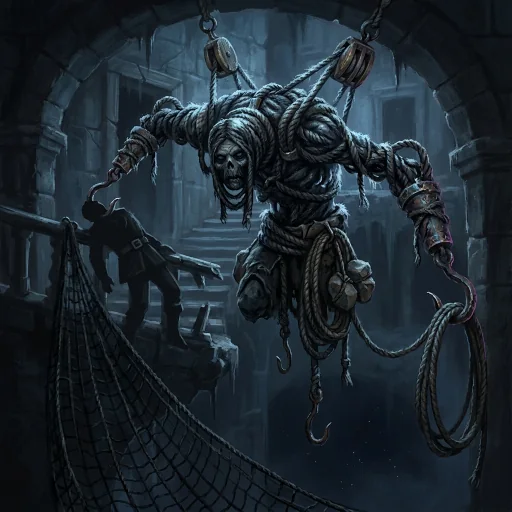
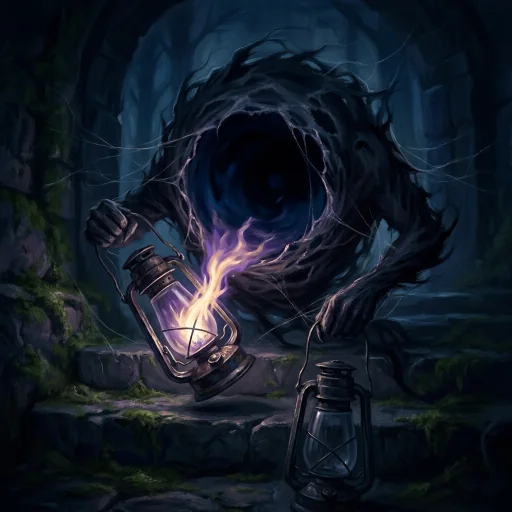
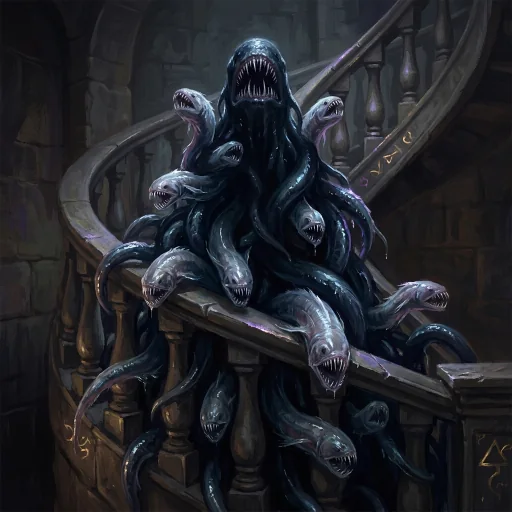
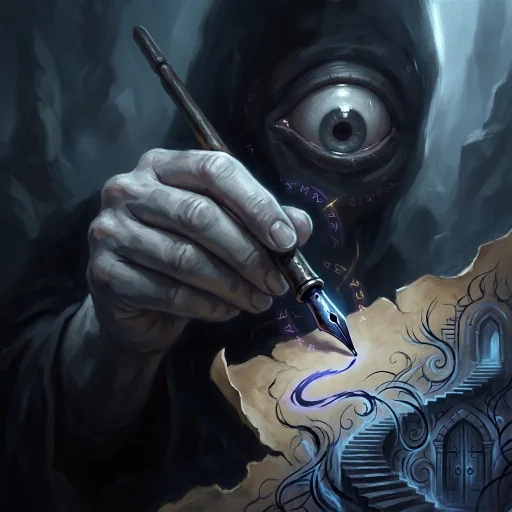
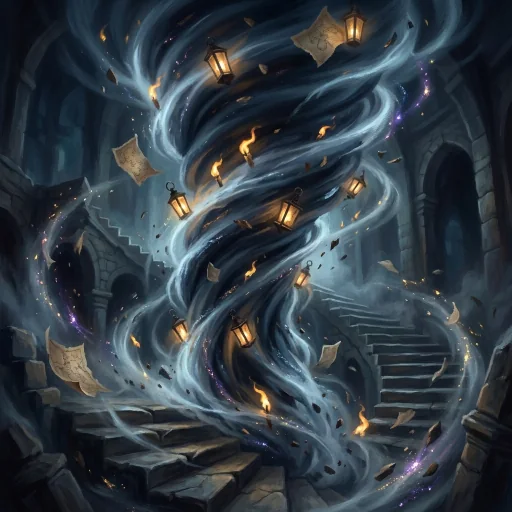
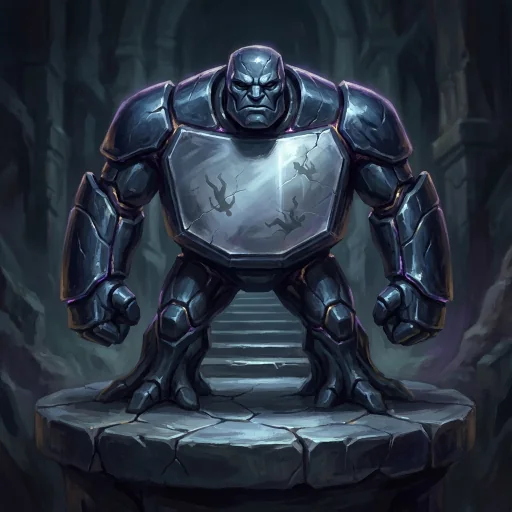
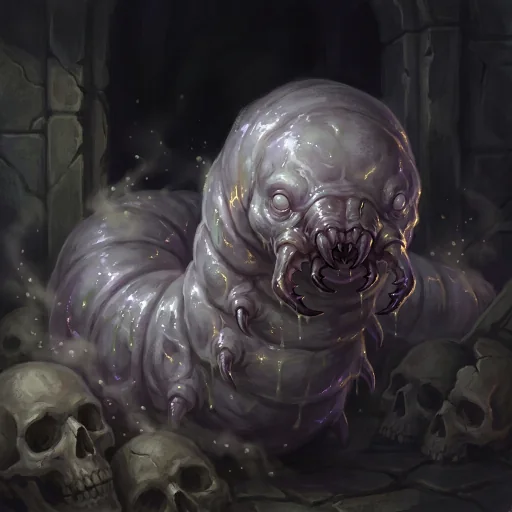
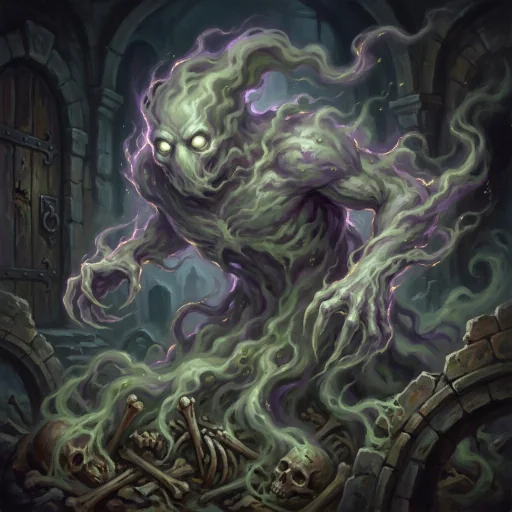
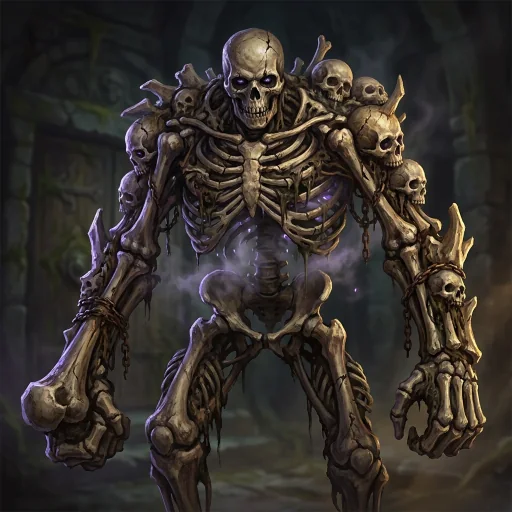
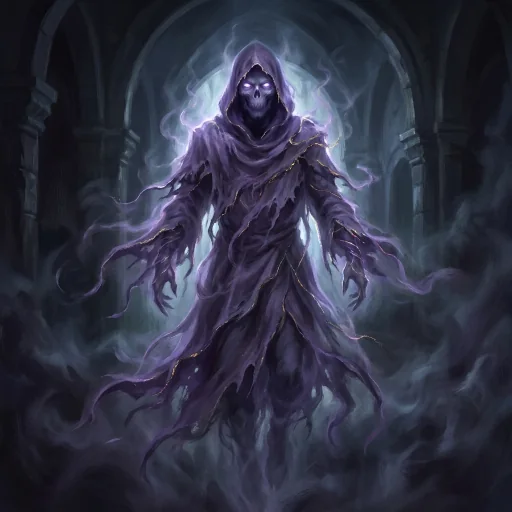
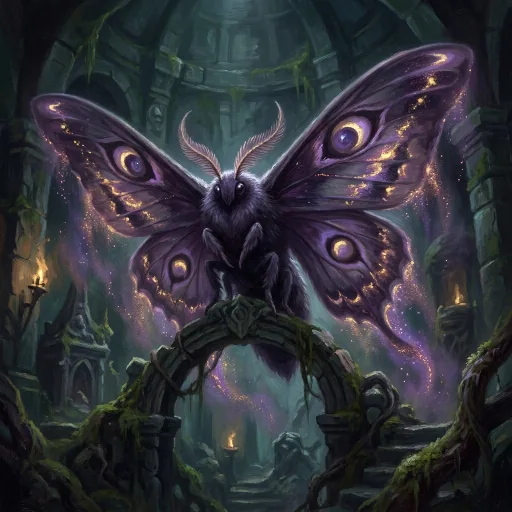
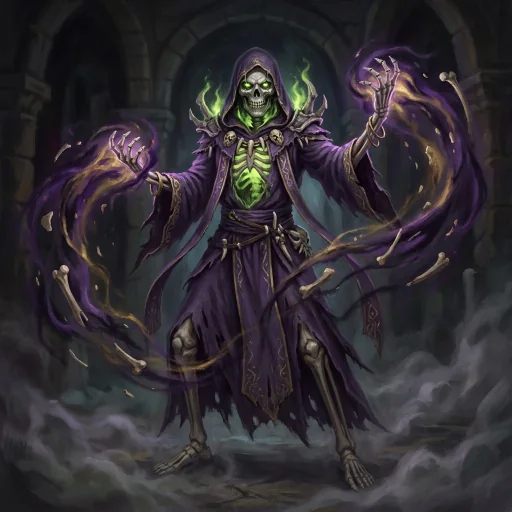
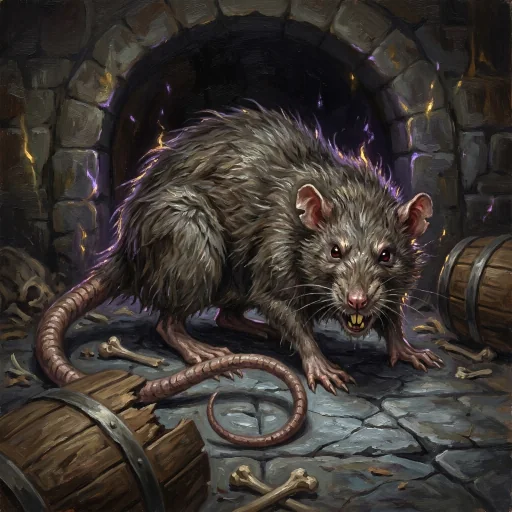
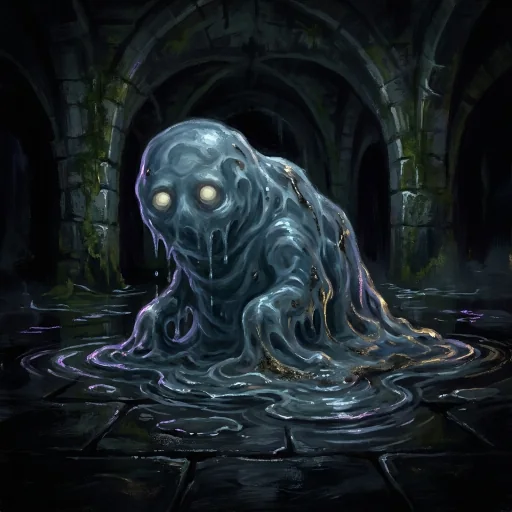
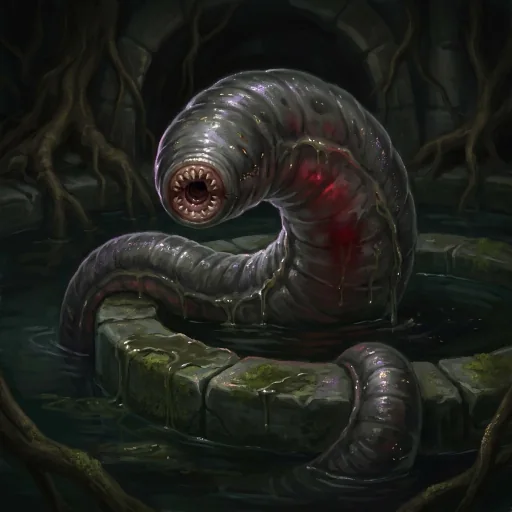
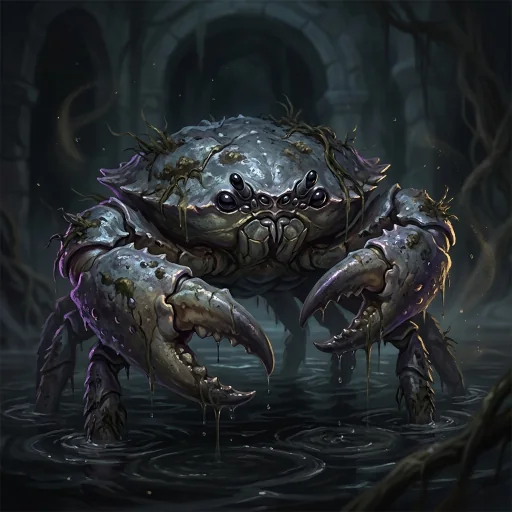
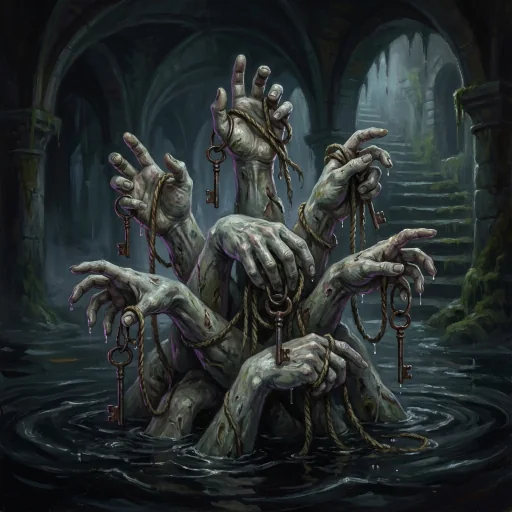
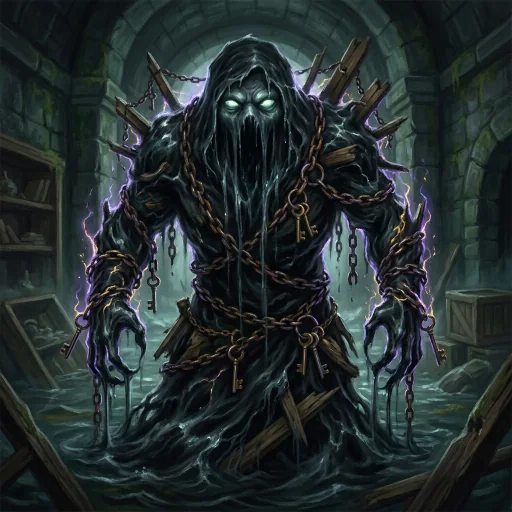
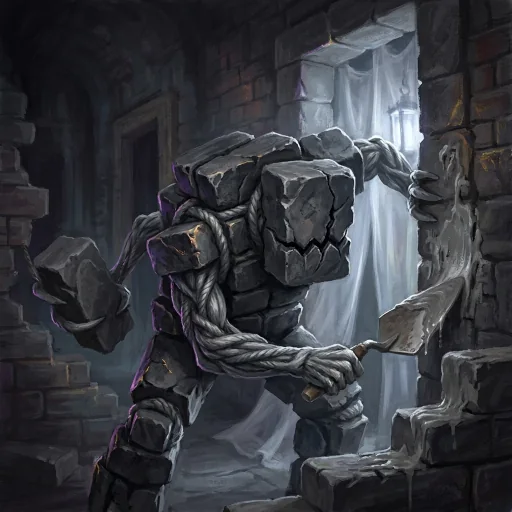
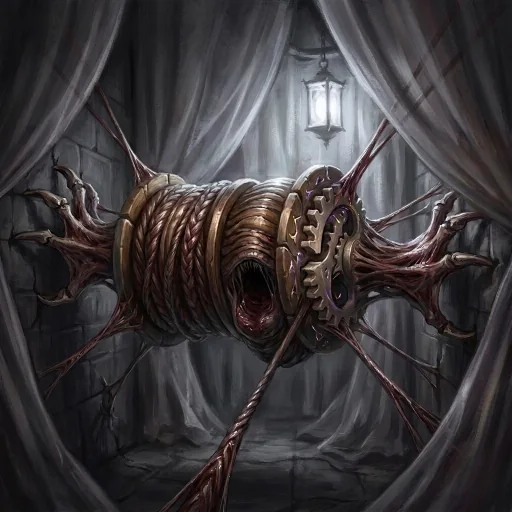
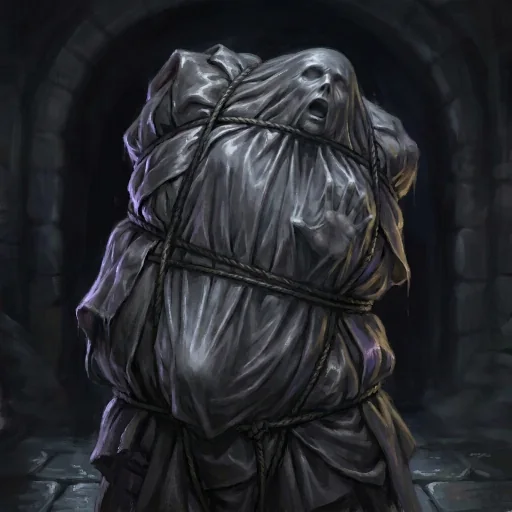
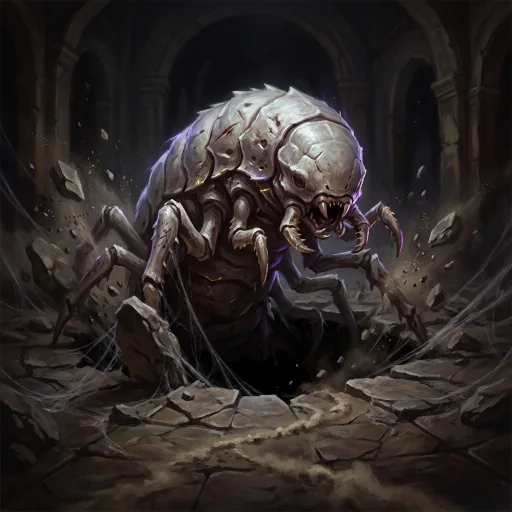
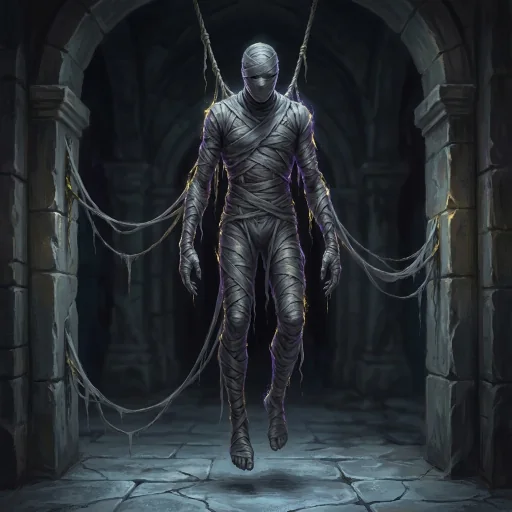
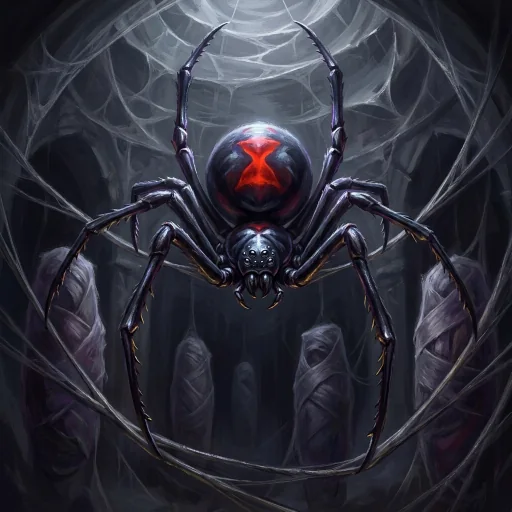
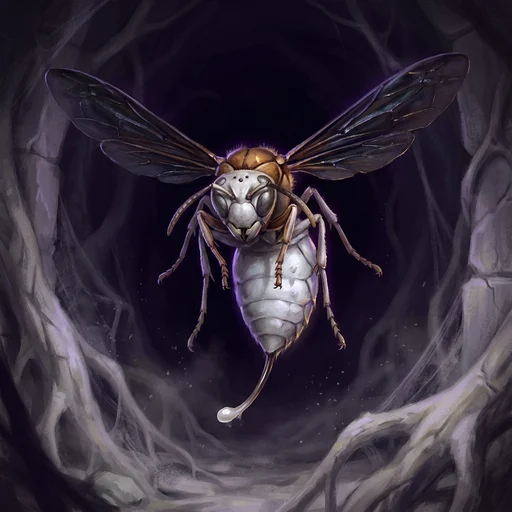
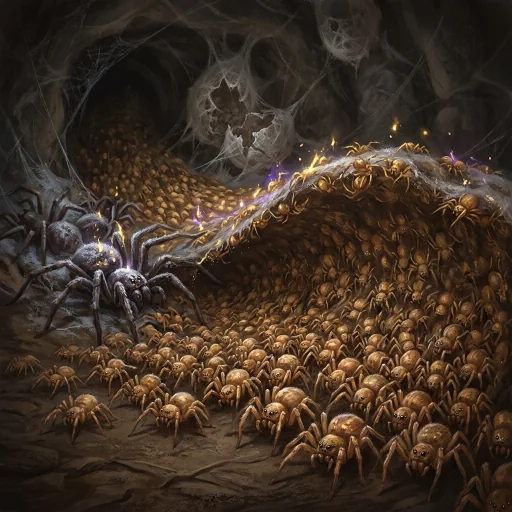
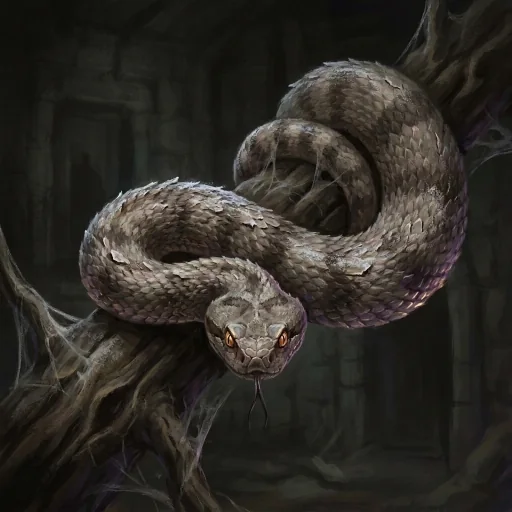
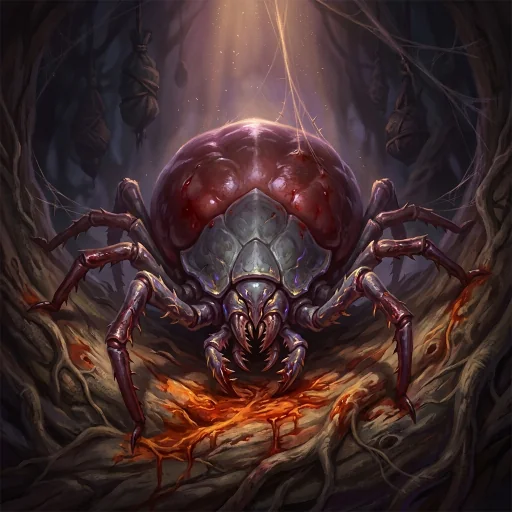
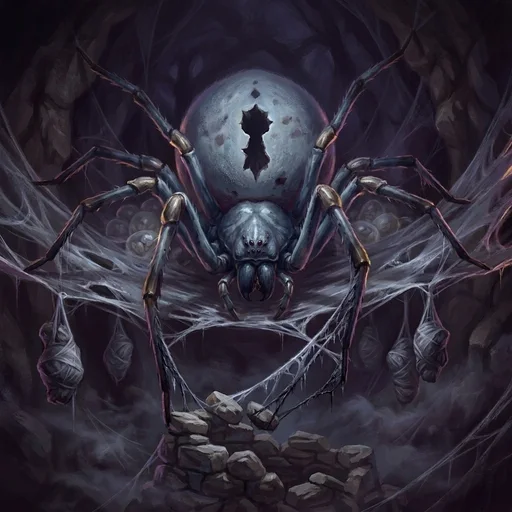
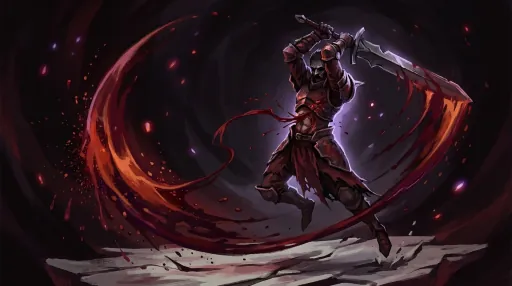
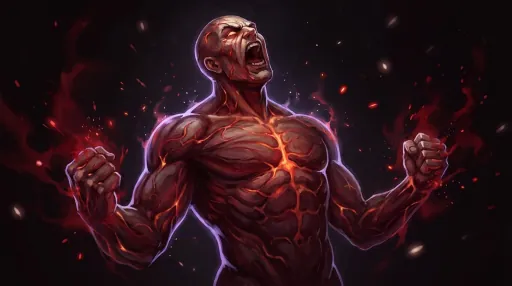
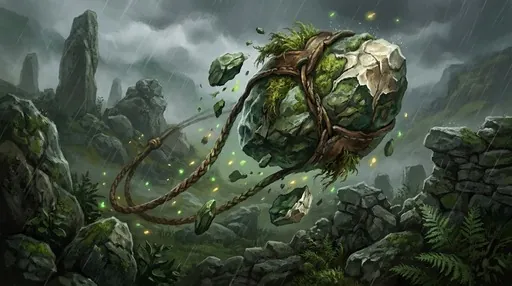
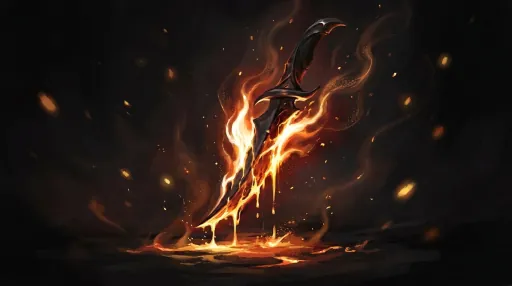
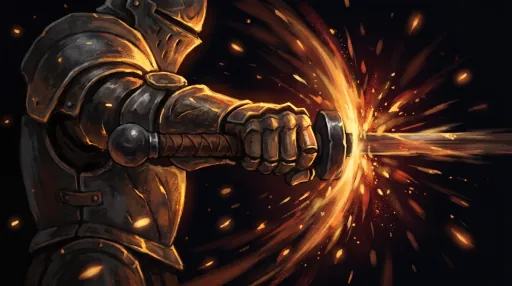
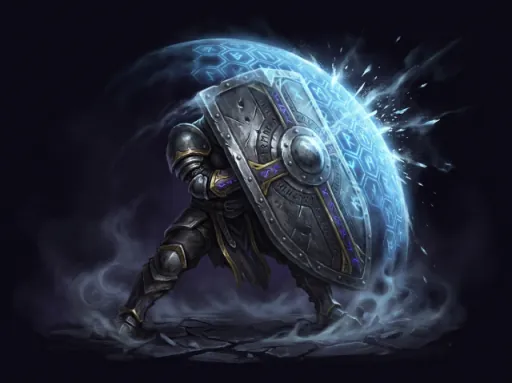
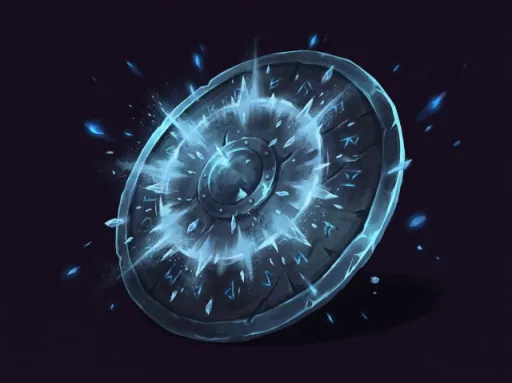
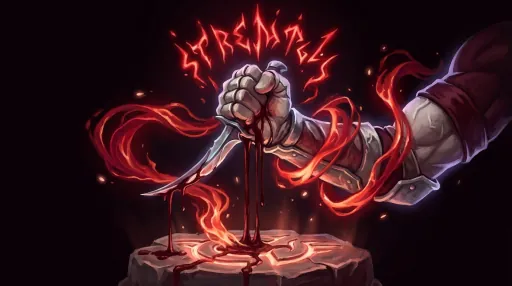
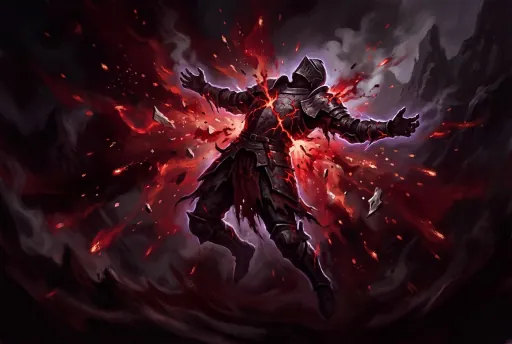
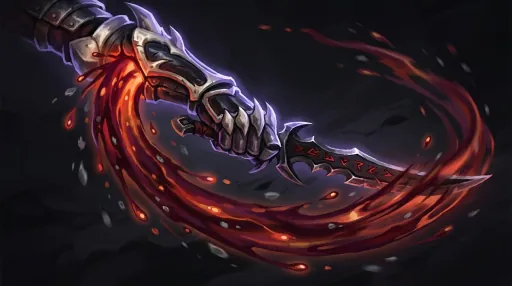
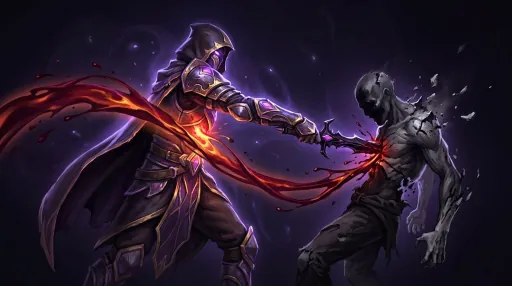
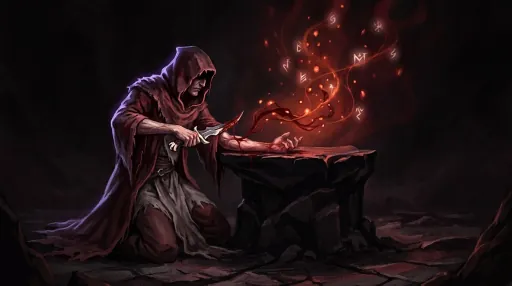
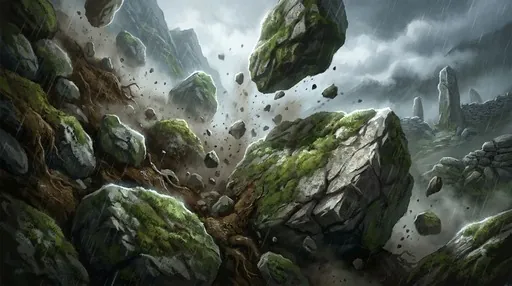
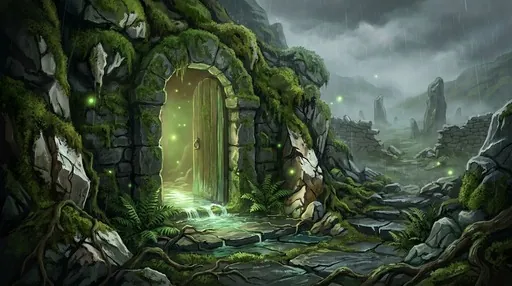
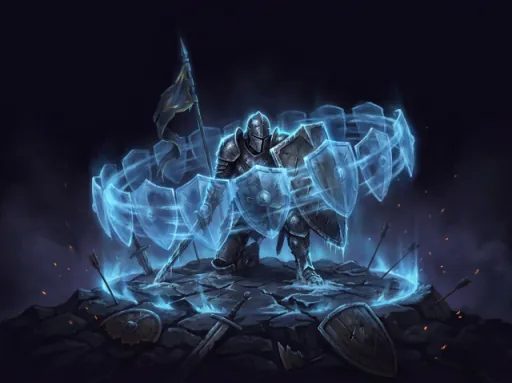
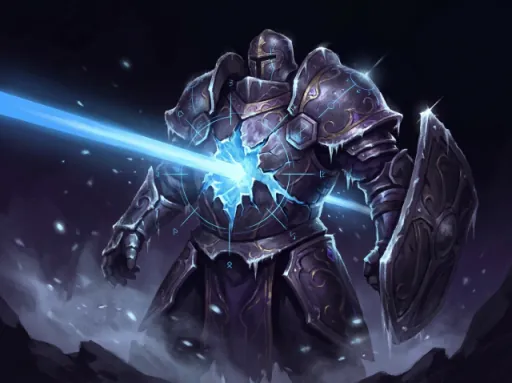
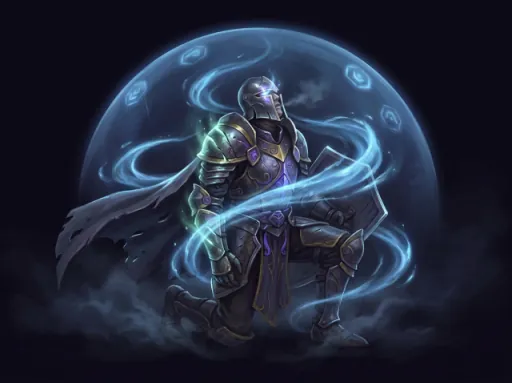
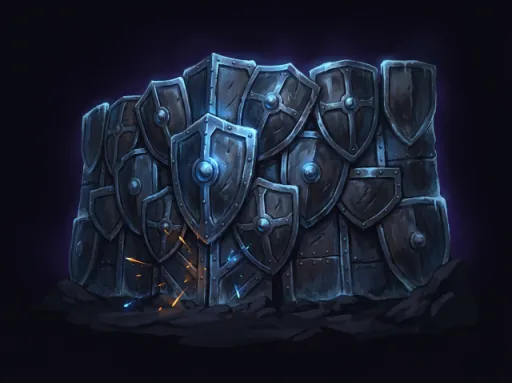
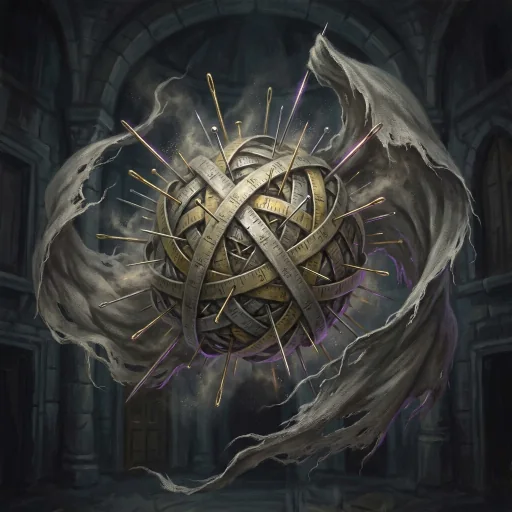
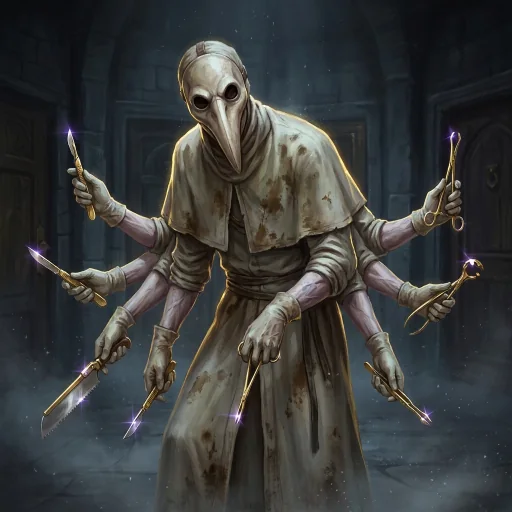
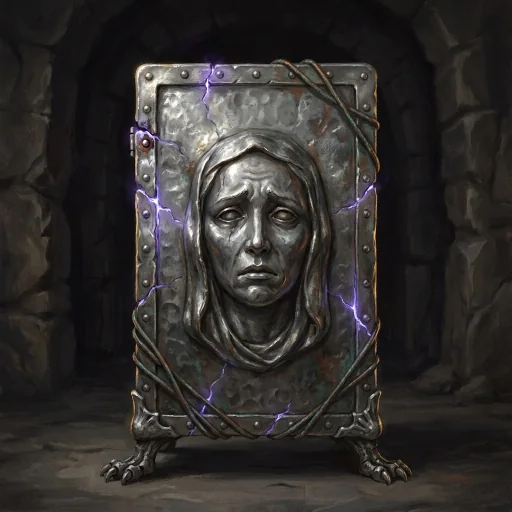
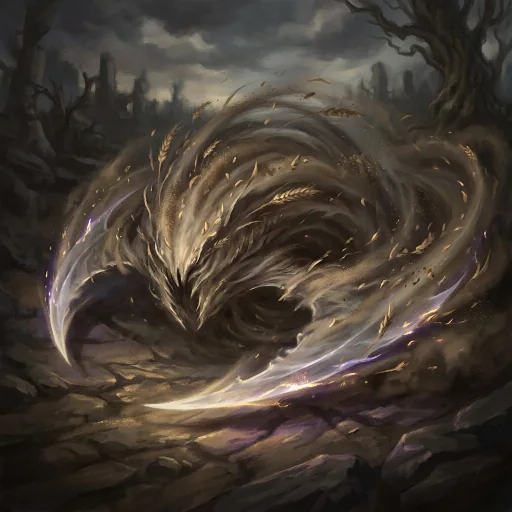
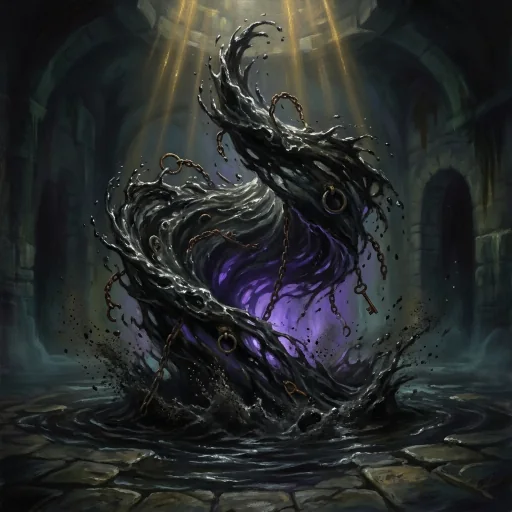
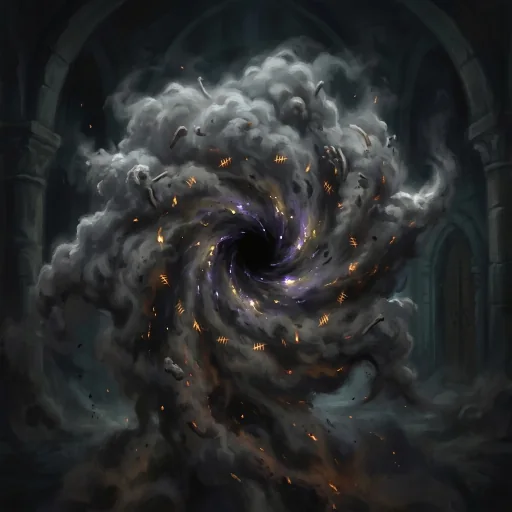
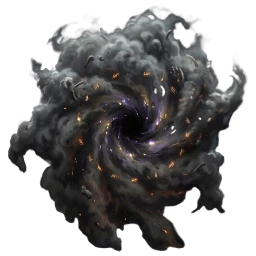
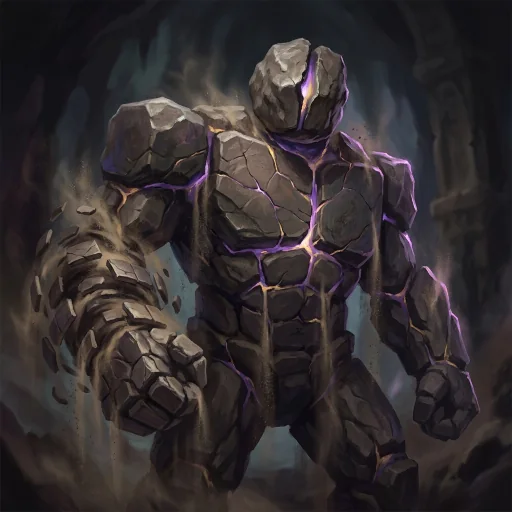
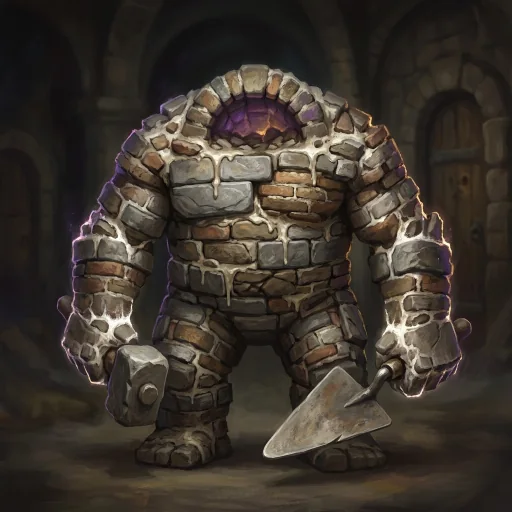
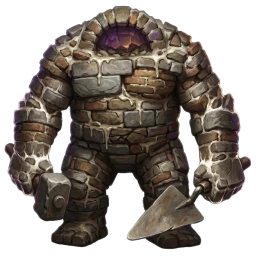
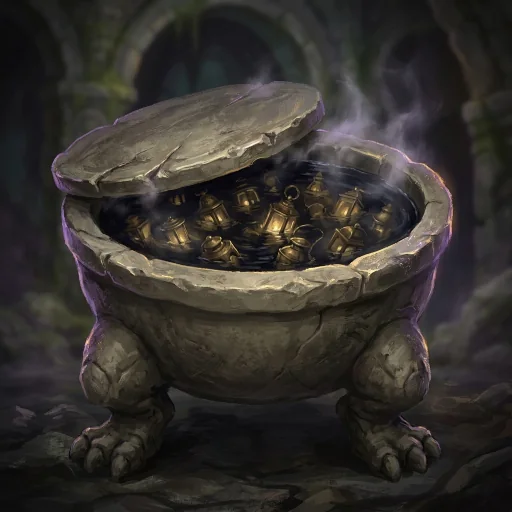
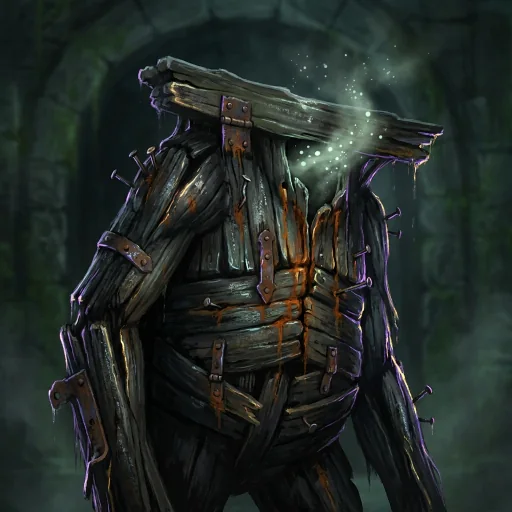
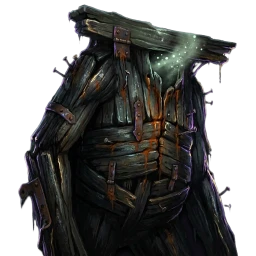
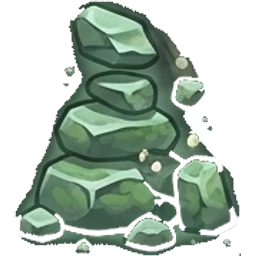
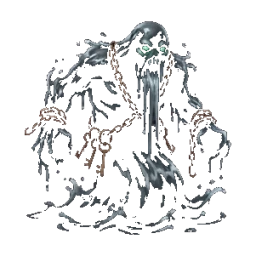
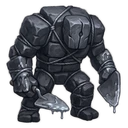
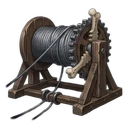
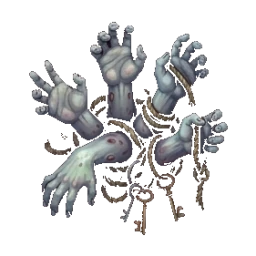
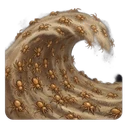
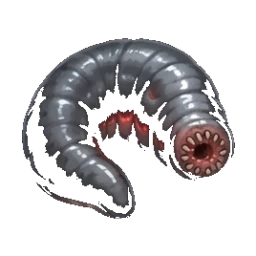
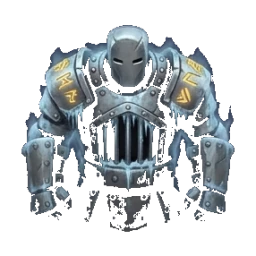
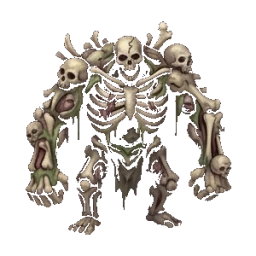
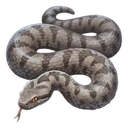
Thirteen new foes across the biomes, each with its own kit. Portraits are being painted — the silhouettes show the kit and the flavor meanwhile.
Each biome's whole cast, split the way the map rolls it: the ordinary foes first, then the elites the hard rooms send. Bosses are not residents of anywhere: a boss is the end of a descent, drawn from one rotation of 11 that both branches share, so you will not find one here. Season VI arrivals are lit and ribboned; the returning foes are dimmed. A biome's curses sit above its roster because they are what make it feel different to fight in.
Every biome now carries a named curse. Each one triggers on something you do, taxes one resource, and shapes the tax its own way — so Bone Halls plays differently from the Silked Hollows even with the same deck.
Weftbind
Silked Hollows
onHeal→healing→reduceGrant·decay turn1
Nothing knits clean in this dust. Whatever you mend here, you mend short.

Thornmilk
Silked Hollows
onGuardGrant→enemyHp→healEnemy·decay turn1
Every course you raise in the Hollows is fed straight back across the web: the wall goes up and the thing behind it closes.
Barbfloss
Silked Hollows
onPlayerBigHit→hp→bite·decay turn1
Only a genuinely heavy blow drives the barbs deeper — 14 or more.

Swaddle
Spinneret Galleries
onCardPlay→plays→cap·decay turn1
The wrap slackens a turn of work back to you.

Mortarcreep
Spinneret Galleries
onGuardGrant→enemyGuard→grantEnemy·decay turn1
the mortar sets on both of you — turtling hardens the thing you are trying to kill

Pallsear
Spinneret Galleries
onPlayerHit→enemyHp→healEnemy·decay turn1
the shroud cauterises what you open — many small hits feed it, one clean blow does not

Unfooting
Starless Stair
onPlayerAttack→guard→strip·decay turn1
the stair tilts when you lunge — attack first, then raise the wall
Windflay
Starless Stair
turnStart→hand→discard·decay turn1
the wind takes options, not blood — hold nothing precious in hand

Gutterwick
Starless Stair
turnStart→deck→mill·decay turn1
the wick gutters — your deck burns down before you can draw it; thin decks cycle back sooner
A status is something a monster puts ON you and that ticks away. A passive is what that monster simply IS: fixed when the fight starts, never gained, never removed, and aimed at one of your resources. Two are new this season, and they are the first ever aimed at Flame and at Storm. In a fight each one shows as a tile on the ring beside the foe, flashes what it took, and opens this rule when you tap it.
What each path swaps out of the basic deck at the start of a run — Season V on top (struck through), Season VI below.
No card was added or removed; the numbers and the text moved together so a card never promises what it does not do. Old text struck through, new text below it.
Hit points, move values, passives and intent modes, as the loop left them. The three biggest changes per monster; sorted by how much changed, and split by what the monster actually is: the gatekeepers first, then the elites, then the ordinary foes.
The mechanics behind the numbers, in plain words, with the exact rule beneath.
Afflictions are data, not codeafflictionNEW
The nine biome curses used to share three effects between them - nine different names that did the same three things. Now each one is written down as its own little recipe (when it fires, what it takes, how it takes it), and the game builds both the rule and the sentence you read from that same recipe, so the text can never say something the fight doesn't do.
Affliction vocabulary (9 triggers, 10 shapes, 9 resources)afflictionNEW
The closed list of moments a curse can react to and things it can do to you. Anything not on the list simply cannot be built without new engine work.
Weftbind
afflictionwhena heal restores HP
→whathealing
→thenyou get less of it
Whatever you gain from healing arrives smaller — every time a heal restores HP, you keep less of it.
Healing you receive is reduced by that much. Decays by 1.
Swaddle
afflictionNEWwhenyou play any card
→whatplays
→thenyou are allowed fewer
It limits how many cards you may play in a single turn.
You can play at most {'value': 6, 'lo': 4, 'hi': 6} minus that many cards a turn, never fewer than 1. Decays by 1.
Unfooting
afflictionNEWwhenyou play an attack
→whatguard
→thenit takes some away
It takes part of your wall away every time you play an attack.
Whenever you play an attack, you lose that much Guard. Decays by 1.
Thornmilk
afflictionNEWwhena card gives you Guard
→whatenemyHp
→thenthe foe heals
The foe drinks from it — every time a card gives you Guard, the monster heals.
Whenever you gain Guard from a card, the foe heals that much. Decays by 1.
Barbfloss
afflictionNEWwhenyou land a BIG hit
→whathp
→thenit bites you back
It bites back: every time you land a BIG hit, you take damage for it.
Whenever one of your hits deals {'value': 14, 'lo': 5, 'hi': 15} or more, you take that much. Decays by 1.
Pallsear
afflictionNEWwhenyou land a hit
→whatenemyHp
→thenthe foe heals
The foe drinks from it — every time you land a hit, the monster heals.
Whenever one of your hits lands, the foe heals that much. Decays by 1.
Mortarcreep
afflictionNEWwhena card gives you Guard
→whatenemyGuard
→thenthe foe gains it instead
It arms the thing you are fighting: every time a card gives you Guard, the foe gains it instead.
Whenever you gain Guard from a card, the foe gains that much Guard. Decays by 1.
Windflay
afflictionNEWwhenyour turn begins
→whathand
→thenyou lose cards from hand
It tears cards out of your hand every time your turn begins.
At the start of your turn, that many random cards are torn from your hand. Decays by 1.
Gutterwick
afflictionNEWwhenyour turn begins
→whatdeck
→thenyour deck burns down
Your deck burns down from the top every time your turn begins, so you reach the bottom sooner.
At the start of your turn, the top that many cards of your draw pile fall to the discard unseen. Decays by 1.
The end-of-turn affliction tickcombat-ruleNEW
None of the nine curses damages you at end of turn any more - each bites at its own moment instead. The end-of-turn hit that remains comes only from the five heavier statuses.
Generalized monster passives - three familiespassiveNEW
Monsters' permanent 'anti-deck' traits used to be seven hand-coded fields, which left two of the eight decks with nothing aimed at them. They're now three general families that can point at almost any resource: a ceiling on what you can bank between turns, a cut taken off a grant as it happens, and an HP cost per point a grant delivers.
drains (bank ceilings)passiveNEW
Some monsters put a lid on how much of a resource you can carry into your next turn. Anything you'd stack above the lid is eaten on their turn - but one grant always survives, and nothing you already spent is taken back.
taxes (grant-site cuts)passiveNEW
Some monsters skim a percentage off a resource the moment a card grants it - so your card pays less than it printed. It can also be set to lapse after the opening turns.
sting (HP per point delivered)passiveNEW
Some monsters charge you health for the fuel you gain - every point you actually bank costs you HP, straight through Guard.
Legacy trait aliasingpassiveNEW
The seven traits that shipped in Season V still behave exactly as they did - they're now just nicknames for entries in the new system, so nothing about an existing monster changed.


drains.ember / drains.stormfront in the live roster
passiveNEWSix monsters now carry the new ceilings - five cap how much Ember you can leave burning on them between turns, and one caps your Stormfront engine. Flame and Blood previously had no monster trait aimed at them at all.
Bite reporting for generalized dialspassiveNEW
When a trait takes something from you the game records exactly what and how much, so the trait tile can show it. New dials report under a precise key but paint with their owning deck's colour.
A campaign is five descentsprogressionNEW
The Descent dial on the path screen now runs I to V instead of 0 to 10, and 'Threshold' - which was never really a descent - is gone from the picker.
Descent I never serves your counter-bossmapNEW
The first descent will never end on the gatekeeper specifically built to beat the deck you picked. If the roll lands on one, it steps to the nearest ladder rung that doesn't counter you.
Boss `counters` is now a list, and the assignments movedmapNEW
Each gatekeeper declares which decks it is built to punish - that can now be more than one, and which boss punishes which deck was re-assigned from measurement.
Full boss rotation per descent (campaign only)mapNEW
Inside a campaign, every descent rolls its finale from the whole gatekeeper roster instead of a fixed boss per rung - so the same descent number can hand you a different fight next time, scaled to that depth.
The campaign monster bagmapNEW
Across a whole campaign you meet each biome's monsters before any face repeats - and the rule is enforced at the moment you actually MEET a foe, not just where it was placed on the map.
More elites on the mapmapNEW
Elite doors show up noticeably more often than they did.
The charm backpack capprogressionNEW
You carry at most six charms. When a seventh is offered - from a reward or an event - you choose: swap one out, or leave the new one behind.
Thirteen new monstersotherNEW
The bestiary grew from 47 to 60, spread across five biomes, and the five heavy statuses that no monster used to inflict now have carriers.
Starter-deck swaps retuned on seven of eight pathsotherNEW
Most decks now open with a hand that both builds their signature resource and can actually spend it, so the first fight demonstrates what the deck is for.
Starter coherence ruleotherNEW
A shared, enforced rule that every deck's opening hand must be able to both build its own counter and cash it in - so an automated tuning pass can't quietly ship a deck that stacks a number nothing in it can spend.
Monsters scale with depth on one tuned curve instead of hand-set numbers per monster.